Word Puzzle Games: Fun Challenges to Sharpen Your Mind
Word Puzzle Games: A Fun Way to Challenge Your Mind
Word puzzle games turn letters and language into entertaining challenges. From finding hidden words to solving clever clues, they offer a satisfying mix of fun, learning and mental exercise. Whether you enjoy a quick puzzle during a break or a more demanding challenge, there is a word game to suit almost every mood and skill level.
Popular Types of Word Puzzle Games
Word puzzles come in many forms, each testing a different set of skills:
- Crosswords: Fill a grid by answering clues, using intersecting words to help find the right answers.
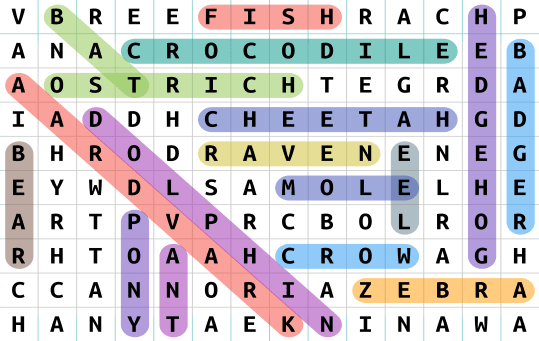
- Word searches: Find a list of words hidden in a grid of letters. Words may run forwards, backwards, vertically or diagonally.
- Anagrams: Rearrange a set of letters to make one or more words.
- Word ladders: Change one letter at a time to transform a starting word into a target word.
- Word-guessing games: Use clues and previous guesses to work out a mystery word.
- Spelling and vocabulary games: Build words from given letters or match words with their meanings.
Why People Enjoy Word Puzzles
One of the biggest attractions of word puzzle games is their accessibility. Many can be played with nothing more than a pencil and paper, while digital versions are easy to enjoy on a phone, tablet or computer. A puzzle can take just a few minutes, or become a longer challenge to return to throughout the day.
Word games can also encourage players to think carefully about spelling, vocabulary and the way words are formed. Solving a clue often involves more than knowing a definition: it may require spotting a pattern, considering different meanings or making a fresh connection between ideas. Completing a tricky puzzle can bring a real sense of achievement.
How to Get Better at Word Games
A few simple habits can make word puzzles easier and more enjoyable:
- Look for familiar patterns. Common letter combinations and word endings can offer useful clues.
- Use the crossing letters. In a crossword, answers that you already know can help reveal less familiar ones.
- Try different possibilities. If a word does not fit, consider alternative meanings or spellings rather than sticking with your first idea.
- Build your vocabulary. Reading widely can introduce you to new words, phrases and definitions.
- Take a short break. Returning to a puzzle with fresh eyes can make a difficult answer suddenly seem obvious.
A Puzzle for Every Player
Some people prefer relaxed word searches, while others enjoy the precision of crosswords or the pressure of a timed challenge. Beginners can start with simple puzzles and gradually try more demanding ones. Experienced players can explore cryptic clues, larger grids or games with unusual rules.
Whatever the format, word puzzle games offer a rewarding way to spend a few spare minutes. They combine language, logic and play, making each new puzzle an invitation to think differently—and to discover just how much fun words can be.
Word Puzzle Games: 9 Frequently Asked Questions
- What are word puzzle games?
- What types of word puzzle games are there?
- Are word puzzle games good for your brain?
- How can I get better at word puzzle games?
- What is the best word puzzle game for beginners?
- Can I play word puzzle games online for free?
- Are word puzzle games suitable for children?
- How do I solve a difficult word puzzle?
- What is the difference between a crossword and a word search?
What are word puzzle games?
Word puzzle games are activities that challenge players to find, form or guess words using clues, letters or patterns. They include crosswords, word searches, anagrams and word-guessing games, and can be played on paper or digitally. Suitable for a range of ages and skill levels, they offer an enjoyable way to test vocabulary, spelling and problem-solving skills.
What types of word puzzle games are there?
Word puzzle games come in many forms, including crosswords, word searches, anagrams, word ladders and word-guessing games. Some ask you to find hidden words in a grid, while others challenge you to solve clues, rearrange letters or build words from a limited selection. There are also spelling and vocabulary puzzles, as well as cryptic crosswords for players who enjoy a more demanding challenge. With options ranging from quick, casual games to brain-teasing puzzles, there is a style to suit every player.
Are word puzzle games good for your brain?
Yes, word puzzle games can be a fun way to exercise your mind. They encourage you to recall vocabulary, recognise patterns, focus and solve problems. Regularly tackling puzzles may help keep these skills engaged, although word games alone cannot guarantee better memory or prevent cognitive decline. Choose puzzles that you enjoy, vary the types you play and treat them as one part of a balanced, mentally active lifestyle.
How can I get better at word puzzle games?
To get better at word puzzle games, practise regularly and try a variety of formats, such as crosswords, word searches and anagrams. Build your vocabulary by reading widely, and look for common letter patterns, prefixes and endings. In games with clues or grids, use the answers you already know to narrow down the possibilities. If you get stuck, take a short break and return with fresh eyes—often, a little patience is just as valuable as a good vocabulary.
What is the best word puzzle game for beginners?
For beginners, a simple word search is often a great place to start. The rules are easy to understand: find the listed words in a grid of letters, with no special vocabulary or complex clues required. Crossword puzzles with straightforward definitions are another good option, as they help build vocabulary gradually. Choose a game that offers hints or adjustable difficulty, and try different formats to find the one you enjoy most.
Can I play word puzzle games online for free?
Yes, many word puzzle games are available to play online for free. You can find crosswords, word searches, anagrams and word-guessing games on websites and apps, often without paying or downloading anything. Some platforms may offer optional subscriptions, adverts or in-game purchases, so check the terms before you play.
Are word puzzle games suitable for children?
Yes, word puzzle games can be suitable for children, especially when the puzzles match their age, reading ability and interests. Simple word searches, spelling games and picture-based puzzles can help children practise vocabulary, letter recognition and problem-solving while having fun. Choose age-appropriate content, offer encouragement rather than pressure, and consider playing together so you can help with unfamiliar words.
How do I solve a difficult word puzzle?
To solve a difficult word puzzle, start with the clues or sections you find easiest, then use those answers to uncover helpful letters and patterns elsewhere. Check for common prefixes, suffixes and letter combinations, and consider whether a clue might have more than one meaning. If you get stuck, take a short break and return with fresh eyes; a dictionary or thesaurus can also help. Above all, try different possibilities and enjoy the challenge rather than rushing to finish.
What is the difference between a crossword and a word search?
A crossword asks you to fill a numbered grid with answers that match written clues, with words crossing at shared letters. A word search, by contrast, gives you a grid of letters in which you must spot a list of hidden words, often arranged forwards, backwards, vertically or diagonally. In short, crosswords test your ability to solve clues, while word searches focus on recognising words in a jumble of letters.