

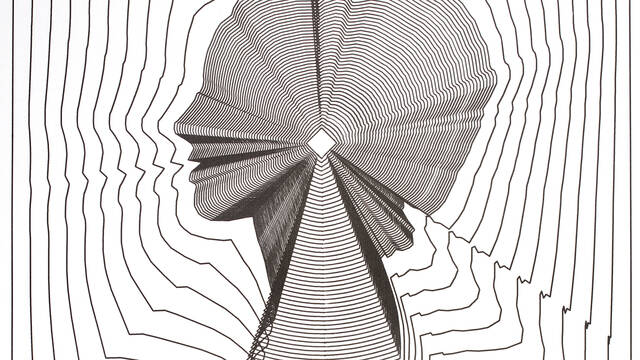
Exploring the Boundless Creativity of Digital Arts
The Evolution of Digital Arts
Digital arts have revolutionised the way we create, experience, and interact with art. With the advancement of technology, artists now have a vast array of digital tools at their disposal to express their creativity in new and exciting ways.
One of the key advantages of digital arts is the ability to manipulate images, sounds, and other forms of media with precision and ease. Digital artists can experiment with different techniques, colours, textures, and effects without the limitations of traditional mediums.
The rise of digital art has also democratised the creative process, making it more accessible to a wider audience. Artists no longer need expensive materials or specialised equipment to produce high-quality work; all they need is a computer or tablet and the right software.
Moreover, digital arts have opened up new avenues for collaboration and interaction. Artists can easily share their work online, connect with other creatives around the world, and receive instant feedback from their audience. This interconnectedness has fostered a vibrant community of digital artists who inspire and support each other.
From digital painting and illustration to animation and virtual reality experiences, the possibilities in digital arts are endless. As technology continues to evolve, so too will the ways in which artists push the boundaries of creativity and innovation in this dynamic field.
Whether you’re an established artist or an aspiring creator, embracing digital arts offers a world of opportunities to explore your imagination and bring your artistic vision to life in ways previously unimaginable.
Understanding Digital Arts: Key Questions and Answers
- What is digital art?
- How is digital art different from traditional art?
- What tools are commonly used in digital arts?
- Can anyone learn to create digital art?
- Is digital art considered a legitimate form of artistic expression?
- What career opportunities are available for digital artists?
What is digital art?
Digital art encompasses a diverse range of creative works that are produced using digital technology. It involves the use of computers, software, and various digital tools to create visual or interactive pieces of art. From digital paintings and illustrations to animations and multimedia installations, digital art allows artists to explore new techniques and experiment with different forms of expression. By blending traditional artistic skills with modern technology, digital art offers endless possibilities for innovation and creativity in the ever-evolving landscape of contemporary art.
How is digital art different from traditional art?
In the realm of digital arts, a commonly asked question revolves around the distinction between digital art and traditional art forms. The key differentiator lies in the tools and techniques used: while traditional art relies on physical mediums such as paint, canvas, and clay, digital art is created using electronic devices and software. Digital artists harness the power of technology to manipulate images, experiment with effects, and produce interactive multimedia pieces that transcend the constraints of traditional mediums. This dynamic shift not only offers artists a new platform for expression but also challenges conventional notions of artistry and creativity in a rapidly evolving digital landscape.
What tools are commonly used in digital arts?
In the realm of digital arts, a diverse range of tools is commonly utilised by artists to bring their creative visions to life. Graphic design software such as Adobe Photoshop and Illustrator are popular choices for creating stunning visual artwork and illustrations. For those venturing into 3D modelling and animation, software like Blender and Autodesk Maya offer powerful capabilities to sculpt intricate digital sculptures and bring characters to life. Additionally, digital drawing tablets such as Wacom Intuos provide artists with a tactile experience akin to traditional drawing, enabling precise control and expression in their artwork. These tools, among others, form the essential toolkit for artists navigating the exciting world of digital arts.
Can anyone learn to create digital art?
The question of whether anyone can learn to create digital art is a common one in the realm of creative expression. The beauty of digital arts lies in its accessibility and versatility, making it a medium that welcomes artists of all skill levels and backgrounds. With dedication, practice, and a willingness to explore new techniques and tools, virtually anyone can embark on a journey to learn and master the art of digital creation. Whether you’re a seasoned artist looking to expand your skills or a complete beginner eager to unleash your creativity, the world of digital art offers endless possibilities for growth and self-expression.
Is digital art considered a legitimate form of artistic expression?
The question of whether digital art is considered a legitimate form of artistic expression is a topic that sparks debate within the art world. While traditionalists may argue that digital tools lack the tactile qualities of traditional mediums, many contemporary artists and critics view digital art as a valid and innovative medium for self-expression. The ability to manipulate images, experiment with new techniques, and reach a wider audience online has led to the recognition of digital art as a dynamic and evolving form of creativity that reflects the technological advancements of our time. Ultimately, the legitimacy of digital art lies in its power to evoke emotions, provoke thought, and challenge perceptions, demonstrating its significance in shaping the landscape of modern artistic expression.
What career opportunities are available for digital artists?
A diverse range of career opportunities awaits digital artists in today’s dynamic creative industry. From graphic design and animation to user experience (UX) design and digital marketing, the skills and talents of digital artists are in high demand across various sectors. Digital artists can pursue careers as multimedia designers, game developers, visual effects (VFX) artists, web developers, and more. With the ever-growing need for engaging digital content in the online world, the career prospects for digital artists continue to expand, offering exciting pathways for creativity and innovation in the digital realm.