

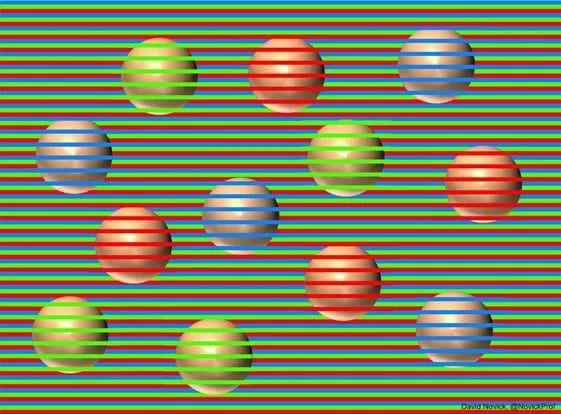
Exploring the Enigmatic World of Pictures That Are Optical Illusions
The Fascinating World of Optical Illusion Pictures
Optical illusions have long captivated and intrigued people with their ability to deceive the eye and challenge our perception of reality. When these mind-bending effects are incorporated into images, the result is a visual feast that can both confuse and delight viewers.
One of the most popular types of optical illusion pictures is the ambiguous figure, where the image can be interpreted in more than one way. For example, a picture may appear to depict both a vase and two faces depending on how you look at it. This ambiguity plays tricks on our brain, making us question what we see.
Another common optical illusion in pictures is the impossible object, which presents an object that defies the laws of physics or geometry. These images often feature shapes that seem to connect in impossible ways or create paradoxical structures that cannot exist in reality.
Op art, short for optical art, is a style of visual art that uses optical illusions to create mesmerising patterns and effects. Artists like Bridget Riley and Victor Vasarely are known for their striking Op art pieces that play with perception through clever use of lines, shapes, and colours.
When viewing pictures that are optical illusions, it’s important to take your time and explore all aspects of the image. Pay attention to how your brain processes the information presented and enjoy the sense of wonder that comes from experiencing these captivating visuals.
Whether you’re a casual observer or an avid fan of optical illusions, exploring pictures that challenge your perception can be a fun and mind-expanding experience. So next time you come across an optical illusion picture, take a moment to appreciate the creativity and ingenuity behind these captivating works of art.
Exploring the Enigmatic: Six Benefits of Optical Illusions in Visual Art
- Engage and stimulate the brain by challenging perception and interpretation.
- Provide a unique and entertaining visual experience for viewers of all ages.
- Encourage creativity and critical thinking as viewers try to make sense of the illusions.
- Spark curiosity and wonder as individuals explore the boundaries of visual reality.
- Offer a fun way to test cognitive abilities and problem-solving skills through observation.
- Serve as conversation starters that can lead to discussions about art, science, and psychology.
The Hidden Drawbacks of Optical Illusions in Pictures: Five Cons to Consider
- Optical illusions in pictures can cause discomfort or dizziness for some viewers, especially those sensitive to visual stimuli.
- Misinterpretation of optical illusion pictures can lead to confusion or misunderstanding of the intended message or image.
- Some people may find it frustrating or challenging to perceive the intended illusion in certain pictures, which can be off-putting.
- Excessive exposure to optical illusion pictures may desensitise individuals to the effects, reducing the novelty and impact over time.
- Certain optical illusions in pictures may trigger headaches or eye strain in individuals prone to such issues, affecting their viewing experience.
Engage and stimulate the brain by challenging perception and interpretation.
Engaging and stimulating the brain, pictures that are optical illusions offer a unique opportunity to challenge perception and interpretation. By presenting visual stimuli that defy conventional expectations, these images prompt the mind to question what it sees and how it processes information. This cognitive exercise not only entertains but also encourages mental agility and creativity, fostering a deeper understanding of how our brains interpret the world around us. Embracing the pro of engaging with optical illusion pictures can lead to enhanced cognitive abilities and a greater appreciation for the complexities of human perception.
Provide a unique and entertaining visual experience for viewers of all ages.
Pictures that are optical illusions offer a unique and entertaining visual experience for viewers of all ages. Regardless of whether you are a child discovering the wonders of illusions for the first time or an adult appreciating the artistry behind these mind-bending images, optical illusion pictures have a universal appeal that transcends age boundaries. They provide a delightful opportunity for individuals of all ages to engage with visual stimuli in a playful and thought-provoking manner, fostering a sense of curiosity and wonder that can be enjoyed by everyone.
Encourage creativity and critical thinking as viewers try to make sense of the illusions.
Pictures that are optical illusions have a unique pro in that they encourage creativity and critical thinking among viewers as they attempt to decipher and make sense of the mind-bending illusions. Engaging with these images prompts individuals to think outside the box, challenge their preconceived notions of reality, and explore different perspectives. By stimulating the brain to question what it sees and how it interprets visual information, optical illusion pictures foster a sense of curiosity and intellectual curiosity, ultimately enriching the viewer’s cognitive abilities and enhancing their problem-solving skills.
Spark curiosity and wonder as individuals explore the boundaries of visual reality.
Exploring pictures that are optical illusions sparks curiosity and wonder as individuals venture into the intriguing realm where visual reality is challenged. These captivating images push the boundaries of perception, inviting viewers to question what they see and how their minds interpret the world around them. By engaging with optical illusions, individuals are encouraged to delve deeper into the complexities of visual stimuli, fostering a sense of fascination and amazement at the endless possibilities of perception and creativity.
Offer a fun way to test cognitive abilities and problem-solving skills through observation.
Pictures that are optical illusions offer a fun and engaging way to test cognitive abilities and problem-solving skills through observation. By presenting images that challenge our perception and require us to look beyond the obvious, these visual puzzles encourage us to think critically and analytically. Deciphering optical illusion pictures not only provides entertainment but also stimulates our brain, enhancing our ability to recognise patterns, make connections, and think creatively. It’s a playful yet effective exercise in honing observational skills and sharpening our problem-solving capabilities.
Serve as conversation starters that can lead to discussions about art, science, and psychology.
Pictures that are optical illusions serve as excellent conversation starters that can spark engaging discussions about art, science, and psychology. By presenting viewers with visual puzzles and tricks that challenge their perception, these images prompt curiosity and intrigue. They provide a gateway to explore topics such as the principles of visual perception, the psychology behind how our brains interpret images, and the artistic techniques used to create captivating illusions. Through discussing optical illusion pictures, individuals can delve into a world where creativity meets science, leading to thought-provoking conversations that inspire a deeper appreciation for the complexities of art and the mysteries of human cognition.
Optical illusions in pictures can cause discomfort or dizziness for some viewers, especially those sensitive to visual stimuli.
Optical illusions in pictures can pose a con for some viewers, particularly those who are sensitive to visual stimuli. The deceptive nature of these illusions, while intriguing for many, can lead to discomfort or dizziness in individuals who may struggle to process the conflicting information presented to their eyes and brain. It’s essential to be mindful of the potential effects of optical illusions on different viewers and to approach such images with caution, especially if you are prone to experiencing adverse reactions to visual stimuli.
Misinterpretation of optical illusion pictures can lead to confusion or misunderstanding of the intended message or image.
Misinterpreting optical illusion pictures can result in confusion or misunderstanding of the intended message or image. Due to the deceptive nature of these visuals, viewers may perceive something different from what was originally intended by the creator. This misinterpretation can lead to a breakdown in communication and a distortion of the intended meaning, causing viewers to draw incorrect conclusions or miss out on the true essence of the artwork. It is essential for viewers to approach optical illusion pictures with a critical eye and an open mind to avoid falling into the trap of misconceptions and misinterpretations.
Some people may find it frustrating or challenging to perceive the intended illusion in certain pictures, which can be off-putting.
For some individuals, the experience of trying to perceive the intended optical illusion in certain pictures can be frustrating and challenging. The inability to immediately grasp the hidden image or effect may lead to feelings of confusion or dissatisfaction, making the viewing process off-putting for those seeking a quick and effortless visual experience. This potential barrier to enjoyment highlights the subjective nature of optical illusions and underscores the importance of patience and open-mindedness when engaging with such captivating but sometimes elusive artworks.
Excessive exposure to optical illusion pictures may desensitise individuals to the effects, reducing the novelty and impact over time.
Excessive exposure to optical illusion pictures can have a downside as it may desensitise individuals to the effects, diminishing the novelty and impact over time. Just like any other form of visual stimulation, prolonged exposure to optical illusions can lead to a decreased sensitivity to their mind-bending effects. This desensitisation may result in individuals becoming less surprised or intrigued by optical illusions, ultimately reducing the sense of wonder and excitement that these captivating images are intended to evoke. It is important to enjoy optical illusions in moderation to fully appreciate and preserve their mesmerising qualities.
Certain optical illusions in pictures may trigger headaches or eye strain in individuals prone to such issues, affecting their viewing experience.
Certain optical illusions in pictures may trigger headaches or eye strain in individuals prone to such issues, affecting their viewing experience. The intense visual stimuli and conflicting perceptions created by some optical illusions can put a strain on the eyes and cause discomfort for those who are sensitive to such effects. It is important for individuals who experience these symptoms to take breaks, adjust their viewing distance, or avoid prolonged exposure to optical illusion pictures to prevent any adverse effects on their visual health.