

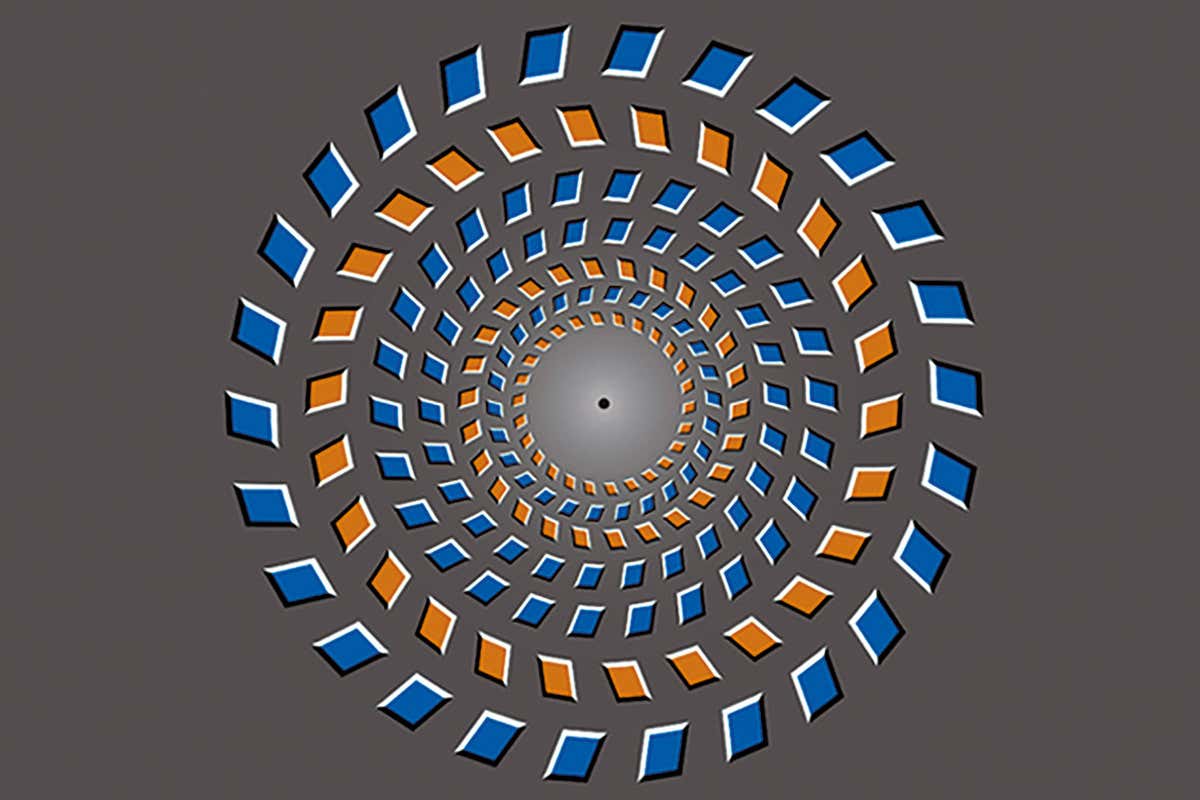
Unveiling the Enigmatic World of Mind Illusion Pictures
The Fascinating World of Mind Illusion Pictures
Have you ever come across a picture that made you do a double-take? Mind illusion pictures, also known as optical illusions, have the remarkable ability to deceive our brains and challenge our perception of reality. These captivating images play tricks on our minds, prompting us to question what we see and how we interpret visual information.
One of the most famous types of mind illusion pictures is the ambiguous figure, such as the iconic “Rubin’s Vase” image. These pictures contain elements that can be interpreted in multiple ways, leading to conflicting perceptions and creating a sense of ambiguity. As a result, viewers may see different objects or shapes depending on how they focus their attention.
Another common form of mind illusion pictures is the geometric illusion, which uses patterns and shapes to create optical effects that distort our sense of depth and perspective. These images can make flat surfaces appear three-dimensional or cause objects to appear larger or smaller than they actually are.
Furthermore, motion illusions utilise visual cues to give the impression of movement in static images. By cleverly manipulating colours, patterns, and shapes, these pictures trick our brains into perceiving motion where none exists, leading to a dynamic and engaging viewing experience.
Whether you’re intrigued by ambiguous figures, mesmerised by geometric illusions, or fascinated by motion effects, mind illusion pictures offer a captivating journey into the complexities of human perception. By exploring these visual phenomena, we gain insight into how our minds process information and construct our understanding of the world around us.
Next time you encounter a mind illusion picture, take a moment to appreciate the magic of visual deception and marvel at the wonders of human cognition. Embrace the challenge of deciphering these puzzling images and let your imagination run wild in this enchanting realm where reality meets illusion.
Understanding Mind Illusion Pictures: Types, Mechanisms, Accessibility, and Purposes
- What are mind illusion pictures?
- How do mind illusion pictures work?
- What are the different types of mind illusion pictures?
- Can anyone see mind illusion pictures or do they require special skills?
- Are mind illusion pictures just for entertainment, or do they have other purposes?
What are mind illusion pictures?
Mind illusion pictures, also known as optical illusions, are captivating visual stimuli that deceive our perception and challenge our understanding of reality. These intriguing images manipulate our brains by presenting conflicting information or creating distorted patterns that trick the eye. Mind illusion pictures come in various forms, such as ambiguous figures, geometric illusions, and motion effects, each designed to evoke a sense of wonder and curiosity in viewers. By exploring mind illusion pictures, we delve into the fascinating realm where art and science intersect, offering a unique opportunity to explore the complexities of human perception and experience the magic of visual deception firsthand.
How do mind illusion pictures work?
Mind illusion pictures work by exploiting the intricate mechanisms of human perception to create visual phenomena that challenge our understanding of reality. Through clever manipulation of shapes, colours, patterns, and perspective, these images deceive our brains into perceiving something that may not align with the actual physical properties of the picture. By playing on our cognitive processes and sensory cues, mind illusion pictures trigger a series of complex responses in our visual system, leading to optical effects that defy logic and intuition. The interplay between our eyes and brain is key to how mind illusion pictures work, highlighting the fascinating ways in which our minds interpret and make sense of the visual world around us.
What are the different types of mind illusion pictures?
When exploring the intriguing world of mind illusion pictures, it’s common to wonder about the various types that exist. These captivating images encompass a range of categories, including ambiguous figures that offer multiple interpretations, geometric illusions that distort depth and perspective, and motion illusions that create the illusion of movement in static pictures. Each type of mind illusion picture presents a unique challenge to our perception, inviting us to delve deeper into the complexities of visual cognition and experience the magic of optical deception firsthand.
Can anyone see mind illusion pictures or do they require special skills?
Mind illusion pictures, also known as optical illusions, do not require special skills to see and appreciate. These captivating images are designed to deceive the brain and challenge our perception of reality, making them accessible to anyone with the ability to see. While some illusions may be more challenging to interpret than others, the experience of viewing mind illusion pictures is open to everyone regardless of their background or expertise. By simply engaging with these intriguing images and allowing your mind to explore the visual puzzles they present, you can experience the wonder and fascination of mind illusions firsthand.
Are mind illusion pictures just for entertainment, or do they have other purposes?
Mind illusion pictures, while undoubtedly entertaining, serve a broader purpose beyond mere amusement. These captivating images not only stimulate our senses and challenge our perception but also offer valuable insights into the complexities of human cognition. By exploring mind illusion pictures, we can enhance our understanding of how the brain processes visual information and constructs reality. Additionally, these optical illusions have practical applications in various fields, including psychology, art, and design. They can be used to study visual perception, create engaging educational materials, and inspire creative thinking. Ultimately, mind illusion pictures offer a multifaceted experience that entertains, educates, and provokes thought in equal measure.