

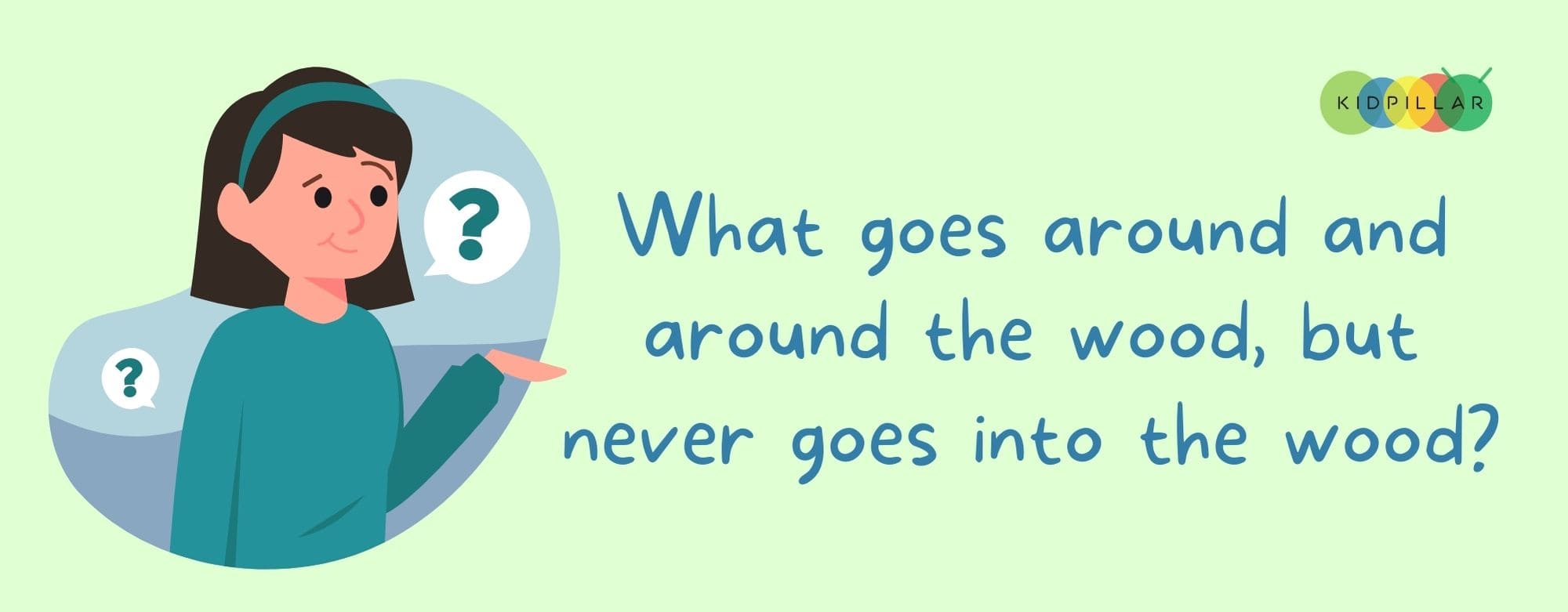
Puzzles and Brain Teasers: Fun Challenges for a Sharper Mind
Puzzles and Brain Teasers: A Fun Workout for the Mind
Puzzles and brain teasers invite us to pause, look more closely and think in new ways. From a quick riddle to a challenging logic grid, they turn problem-solving into an enjoyable pastime for people of all ages. They can be tackled alone or shared with friends and family, making them a simple way to add a little curiosity to the day.
What Makes a Brain Teaser?
A brain teaser is a question or problem designed to make you think beyond your first impression. The answer may depend on a clever use of words, a hidden pattern or an unexpected point of view. Unlike questions that rely mainly on memorised facts, many brain teasers reward careful reasoning and creative thinking.
Puzzles come in many forms. Crosswords and word searches focus on language, while number puzzles such as Sudoku ask you to spot patterns and follow rules. Jigsaws challenge you to recognise shapes and assemble a complete picture. Riddles, lateral-thinking problems and logic puzzles each offer a different kind of challenge.
Why People Enjoy Puzzles
Part of the pleasure lies in the process. A puzzle gives you a clear problem to explore, but the route to the solution is not always obvious. You might test an idea, notice a detail you missed or change your approach altogether. When the pieces finally fall into place, the answer can feel especially satisfying.
Puzzles can also encourage patience and concentration. Working through a tricky clue or untangling a sequence takes time, and it is perfectly normal to step away and return with fresh eyes. Sharing a puzzle can make the experience social, too: different people often spot different clues or suggest approaches you had not considered.
Tips for Solving Brain Teasers
- Read carefully: A small word or detail may change the meaning of the whole problem.
- Look for patterns: Repeated shapes, numbers or words can point towards a solution.
- Question your assumptions: The most obvious interpretation is not always the right one.
- Try a different approach: If one line of reasoning leads nowhere, start again from another clue.
- Take a break: A short pause can help you return to the puzzle with a clearer perspective.
A Puzzle to Try
Here is a familiar riddle: What has keys but cannot open locks?
Think it through before reading on. The answer is a piano. The word “keys” can refer to both the objects used in a lock and the notes played on an instrument.
Make Puzzles Part of Your Routine
You do not need special equipment or a long stretch of free time to enjoy a brain teaser. Try a short riddle during a break, complete a crossword with your morning tea or work on a jigsaw with someone else. Choose puzzles that feel enjoyable rather than frustrating, and explore different types to find the ones you like best.
Whether you prefer words, numbers, pictures or logic, puzzles offer a playful way to challenge yourself. The answer may take a moment to find, but the journey is part of the fun.
8 Top Tips for Solving Puzzles and Brain Teasers
- Start with the clues you find easiest.
- Look for patterns before guessing.
- Break big puzzles into smaller steps.
- Take a short break if you feel stuck.
- Check every clue against your answer.
- Try a different approach when progress stalls.
- Practise regularly to sharpen your skills.
- Enjoy the challenge, not just the solution.
Start with the clues you find easiest.
Start with the clues you find easiest, as each answer can give you a useful foothold in the puzzle. Solving a straightforward clue may reveal letters, numbers or patterns that help with the trickier parts, while building confidence as you go. If you get stuck, move on and return to the harder clues later with fresh eyes.
Look for patterns before guessing.
Before guessing, take a moment to look for patterns in the clues, numbers, shapes or words. Repeated details and regular sequences can point towards the answer and help you avoid relying on a first impression. Spotting a pattern may also reveal a simpler way to solve the puzzle.
Break big puzzles into smaller steps.
When a puzzle feels overwhelming, break it into smaller steps. Focus on one clue, section or pattern at a time rather than trying to solve everything at once. Each small discovery can narrow down the possibilities and make the next step clearer, helping you stay organised and build towards the solution with confidence.
Take a short break if you feel stuck.
If you feel stuck on a puzzle or brain teaser, take a short break rather than forcing an answer. Stepping away gives your mind a chance to reset, and you may spot a clue or a fresh way to approach the problem when you return. Even a few minutes can make a difference.
Check every clue against your answer.
Before settling on a solution, check it against every clue in the puzzle. An answer may seem to fit one detail perfectly but still contradict another, so review the wording carefully and make sure nothing has been overlooked. This final check can reveal a missed condition, a misleading assumption or a small error in your reasoning.
Try a different approach when progress stalls.
When progress stalls, step back and try a different approach. Re-read the clues, question any assumptions you have made, or tackle the puzzle from another angle. A short break can also help you return with fresh eyes and spot a detail you may have missed.
Practise regularly to sharpen your skills.
Practising puzzles and brain teasers regularly can help sharpen your problem-solving skills and make it easier to spot patterns, think logically and consider different approaches. Set aside a few minutes each day for a crossword, riddle or number puzzle, and gradually try challenges that are a little more difficult. With consistency, you may find that your confidence grows along with your enjoyment.
Enjoy the challenge, not just the solution.
Enjoy the challenge, not just the solution. Puzzles and brain teasers are rewarding because of the thinking, experimenting and surprising discoveries along the way—not only the moment you find the answer. Take your time, try different approaches and treat a wrong turn as part of the fun. This way, every puzzle becomes an opportunity to stay curious and enjoy the process.