

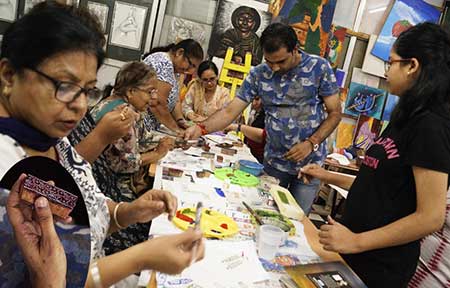
Craft Workshops: Make, Learn and Connect
Craft workshops offer a welcoming space to learn practical skills, explore creativity and make something by hand. Whether you are trying a new hobby or building on experience you already have, a workshop can turn an idea into a finished piece while giving you the chance to enjoy the process along the way.
What happens at a craft workshop?
A workshop usually focuses on one activity, with a tutor guiding participants through the main techniques. Depending on the subject, you might learn to shape clay, print a design, weave fabric, make jewellery or create a simple piece of woodwork. Materials and tools may be provided, although it is worth checking when you book.
Sessions vary in length and style. Some are short introductions designed for beginners, while others take place over several days and cover more detailed techniques. Many workshops are suitable for individuals, groups or families, making them a flexible option for a day out, a celebration or a regular creative pursuit.
Why try a craft workshop?
Making things by hand can be a satisfying change from screen-based routines. It encourages you to slow down, concentrate on a task and experiment with materials. Learning alongside others can also make the experience more enjoyable: participants can share ideas, pick up tips and celebrate one another’s progress.
There is no need to be naturally artistic. A good workshop breaks a process into manageable steps and gives you space to practise. The aim is not necessarily to create a flawless result, but to discover a technique and enjoy making something of your own.
Find a workshop that suits you
Craft workshops cover a wide range of interests. If you enjoy working with your hands, you might look for pottery, carving or paper-making. For a project involving colour and pattern, consider textile dyeing, embroidery or printmaking. Candle-making, bookbinding and floral design offer other ways to explore materials and create useful or decorative pieces.
Before booking, check the workshop’s duration, location, accessibility and skill level. Find out whether materials are included and whether you will take your finished work home on the day. Some items, such as pottery, may need to be fired or finished later, so collection or postage arrangements may apply.
Getting ready to take part
Wear comfortable clothing that you do not mind getting messy, particularly for activities involving paint, clay or dye. Arrive with an open mind and be prepared to try, adjust and try again. If you have questions about equipment, clothing or any access requirements, contact the organiser before the session.
Most importantly, give yourself permission to experiment. A craft workshop is an opportunity to learn at your own pace, enjoy the company of others and leave with a new skill—and perhaps a handmade keepsake to remind you of the experience.