

Unravelling the Enigmatic Zollner Illusion: A Study in Visual Deception
The Zollner Illusion: A Fascinating Optical Phenomenon
The Zollner illusion is a captivating optical illusion that plays tricks on our perception of parallel lines. Named after the German astrophysicist and psychologist Johann Karl Friedrich Zöllner, this intriguing visual phenomenon has puzzled and fascinated observers for decades.
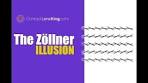
At first glance, the Zollner illusion may appear simple – a series of parallel lines intersected by shorter diagonal lines. However, when viewed in its entirety, the illusion creates the impression that the parallel lines are not actually parallel but instead skewed or misaligned.
What makes the Zollner illusion so compelling is that even when we know intellectually that the lines are parallel, our brains still perceive them as converging or diverging. This discrepancy between our logical understanding and visual perception highlights the complex nature of human vision and how easily it can be deceived.
Researchers have studied the Zollner illusion to better understand how our brains process visual information and interpret spatial relationships. By analysing how this optical trickery affects our perception, scientists gain valuable insights into the mechanisms underlying visual illusions and cognitive biases.
Whether you’re a psychology enthusiast, an art lover, or simply curious about the mysteries of human perception, exploring the Zollner illusion can offer a fascinating journey into the complexities of vision and cognition. Next time you encounter this perplexing optical phenomenon, take a moment to marvel at the intricate interplay between your eyes and your mind.
Understanding the Zollner Illusion: Frequently Asked Questions and Insights
- What is the Zollner illusion?
- Who discovered the Zollner illusion?
- How does the Zollner illusion work?
- Why do parallel lines appear skewed in the Zollner illusion?
- Are the lines in the Zollner illusion actually misaligned?
- Can the Zollner illusion be explained by optical principles?
- What insights does studying the Zollner illusion provide about human perception?
- How can I experience and observe the Zollner illusion for myself?
What is the Zollner illusion?
The Zollner illusion is a well-known optical phenomenon that deceives our perception of parallel lines. Named after the German scientist Johann Karl Friedrich Zöllner, this intriguing visual trickery involves intersecting shorter diagonal lines across a set of seemingly parallel lines. Despite knowing that the lines are actually parallel, observers often perceive them as skewed or misaligned. This discrepancy between our logical understanding and visual interpretation underscores the fascinating complexities of human vision and cognitive processing. The Zollner illusion continues to captivate individuals across various fields, offering a compelling insight into the intricate workings of our visual perception.
Who discovered the Zollner illusion?
The Zollner illusion is credited to the German astrophysicist and psychologist Johann Karl Friedrich Zöllner, who first described this intriguing optical phenomenon. Zöllner’s research on visual illusions shed light on the complexities of human perception and how our brains can be easily deceived by seemingly straightforward geometric patterns. His pioneering work in the field of optical illusions continues to captivate researchers and enthusiasts alike, highlighting the enduring impact of his discovery on the study of vision and cognition.
How does the Zollner illusion work?
The Zollner illusion works by exploiting the way our brains interpret visual information. Despite knowing that the parallel lines in the illusion are indeed parallel, our perception is skewed due to the presence of shorter diagonal lines intersecting them. This visual interference causes our brain to misjudge the orientation of the parallel lines, making them appear as if they are converging or diverging. The discrepancy between what we see and what we know to be true highlights the intricate complexities of human vision and how easily it can be influenced by optical illusions like the Zollner illusion.
Why do parallel lines appear skewed in the Zollner illusion?
In the Zollner illusion, parallel lines appear skewed due to the way our brains interpret the visual information presented to us. The intersecting diagonal lines in the illusion create a pattern that tricks our perception of the parallel lines. This phenomenon occurs because our brains tend to perceive depth and perspective in two-dimensional images, leading us to misjudge the alignment of the parallel lines. Despite knowing that the lines are actually parallel, our visual system is easily deceived by the intricate design of the Zollner illusion, highlighting the fascinating complexities of human vision and cognitive processing.
Are the lines in the Zollner illusion actually misaligned?
In the Zollner illusion, although it may appear that the lines are misaligned or skewed, they are, in fact, parallel. This optical illusion tricks our visual perception into perceiving the lines as converging or diverging when they are actually running parallel to each other. The discrepancy between what we see and what is reality showcases the intriguing ways in which our brains interpret visual stimuli. Studying this frequently asked question provides valuable insights into how our minds process information and how easily our perceptions can be manipulated by clever visual illusions like the Zollner illusion.
Can the Zollner illusion be explained by optical principles?
The question of whether the Zollner illusion can be explained by optical principles is a common query among those intrigued by this perplexing visual phenomenon. While optical principles play a crucial role in understanding how our eyes perceive and interpret images, the complexity of the Zollner illusion extends beyond simple optical mechanisms. The illusion’s ability to distort our perception of parallel lines involves a combination of factors, including neural processing, cognitive biases, and contextual cues. Therefore, while optical principles provide a foundation for analysing visual illusions, fully explaining the intricacies of the Zollner illusion requires a more comprehensive exploration of human vision and cognition.
What insights does studying the Zollner illusion provide about human perception?
Studying the Zollner illusion offers valuable insights into the intricate workings of human perception. This optical phenomenon challenges our understanding of parallel lines and reveals how easily our visual system can be deceived. By analysing how individuals perceive and interpret the illusion, researchers can uncover underlying mechanisms of visual processing and cognitive biases. The Zollner illusion highlights the complex relationship between sensory input and cognitive interpretation, shedding light on the fascinating ways in which our brains make sense of the world around us.
How can I experience and observe the Zollner illusion for myself?
To experience and observe the Zollner illusion for yourself, you can easily find images or illustrations of the illusion online or in books dedicated to optical illusions. Simply search for “Zollner illusion” in your preferred search engine or visit websites that showcase visual illusions. Once you have a clear view of the Zollner pattern, focus on the intersecting lines and let your eyes take in the entire image. Pay attention to how your brain interprets the relationship between the parallel lines and the shorter diagonal lines. By actively engaging with the illusion and observing how your perception may shift, you can appreciate firsthand the intriguing effects of this optical phenomenon on visual perception.