

Vision Issues: Common Causes, Symptoms and When to Seek Help
Vision Issues: Common Causes, Symptoms and When to Seek Help
Good vision helps us read, work, travel and enjoy everyday life. Changes in eyesight are common, particularly as we get older, but they should not always be dismissed as a normal part of ageing. Knowing what to look out for can help you decide when to arrange an eye test or seek urgent medical advice.
What are vision issues?
“Vision issues” is a broad term for changes or difficulties affecting sight. They may come on gradually or suddenly, and can affect one or both eyes. Some are linked to the shape of the eye or the need for glasses, while others may be caused by an eye condition, an injury or a wider health problem.
Common symptoms
Vision changes can include:
- Blurred or hazy sight
- Difficulty seeing things close up or at a distance
- Double vision
- Glare or sensitivity to bright light
- Difficulty seeing at night
- Seeing flashes of light, spots or floaters
- A dark area, shadow or curtain across your field of vision
- Red, sore, watery or unusually dry eyes
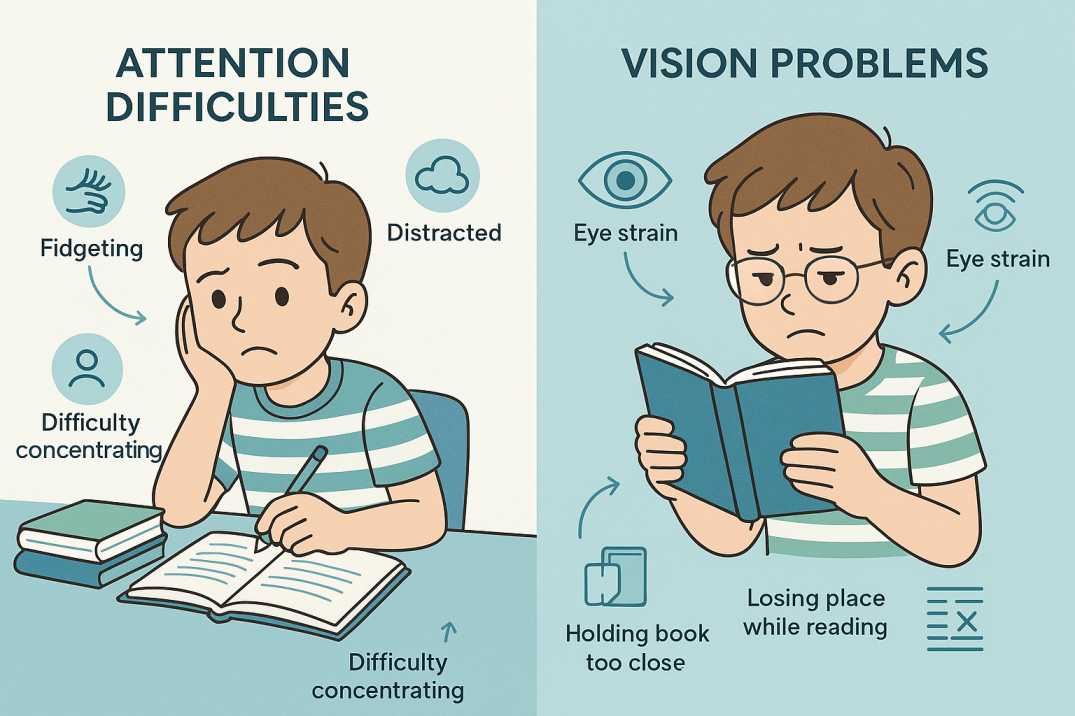
- Headaches or eye strain, particularly after reading or using a screen
These symptoms can have different causes. An eye-care professional can assess what may be happening and recommend the right next steps.
Possible causes
Some vision issues are related to refractive errors, such as short-sightedness, long-sightedness or astigmatism. These occur when the eye does not focus light properly and are often corrected with glasses or contact lenses.
Other causes include dry eyes, eye strain, migraines, infections and injuries. Conditions such as cataracts, glaucoma and age-related macular degeneration can also affect sight. Certain health conditions, including diabetes, may have an impact on eye health too.
When to book an eye test
Arrange an eye test if your sight has changed, if you are struggling with everyday tasks, or if you have not had your eyes checked for some time. Regular eye examinations can identify some problems before noticeable symptoms develop. An optometrist can check your vision and examine the health of your eyes, then advise whether you need treatment or a referral.
Children should also have their eyesight checked if they appear to struggle with reading, sit very close to a screen, frequently rub their eyes or have difficulty seeing the board at school. These signs do not necessarily mean there is an eye problem, but an assessment can help clarify the cause.
When to get urgent help
Seek urgent medical help for sudden changes in sight. Sudden loss of vision in one or both eyes is an emergency: call 999 or go to A&E. Do not drive yourself.
New flashes or floaters, a dark shadow or curtain in your vision, severe eye pain, or a sudden increase in blurred vision also need urgent assessment. Contact NHS 111, an urgent eye-care service or an eye casualty department for advice about where to go.
If an eye has been injured or exposed to a harmful chemical, seek urgent medical advice. If a chemical gets into the eye, rinse it continuously with clean, lukewarm water while arranging help.
Looking after your eyes
- Have regular eye examinations, following the advice of your optometrist.
- Wear suitable eye protection during DIY, sport or work that could put your eyes at risk.
- Take breaks during long periods of screen use and look into the distance from time to time.
- Use good lighting when reading or doing close work.
- Follow contact lens care instructions and avoid wearing lenses for longer than advised.
- Manage health conditions with support from your healthcare team.
Take changes in sight seriously
Many vision issues can be managed effectively, especially when identified early. Do not rely on online information to diagnose a problem or delay seeking help if symptoms are sudden, severe or getting worse. If you are concerned about your sight, contact an optometrist or an appropriate medical service for advice.
Understanding and Managing Vision Issues: Key Benefits of Early Detection and Care
- Early checks can catch some eye conditions before symptoms become noticeable.
- Corrective lenses can improve focus and make daily tasks easier.
- Knowing common symptoms helps people seek suitable care sooner.
- Regular eye tests can monitor changes in vision over time.
- Good eye-care habits may help reduce strain and protect eye health.
- Many vision problems can be managed with professional advice.
Challenges Posed by Vision Issues: Reading, Driving, and Health Concerns
- Can make reading and driving difficult.
- May cause eye strain and headaches.
- Some vision changes need urgent medical attention.
Early checks can catch some eye conditions before symptoms become noticeable.
Early eye checks can identify some conditions before you notice any changes to your sight. This matters because certain eye problems develop gradually and may be easier to manage when found promptly. Regular appointments with an optometrist help monitor your eye health and ensure that any concerns can be assessed and treated as early as possible.
Corrective lenses can improve focus and make daily tasks easier.
Corrective lenses, such as glasses or contact lenses, can help focus light properly so that objects appear clearer. With sharper vision, everyday activities such as reading, driving, using a computer and recognising faces may become more comfortable and less tiring. An optometrist can assess your eyesight and recommend lenses suited to your needs.
Knowing common symptoms helps people seek suitable care sooner.
Knowing the common symptoms of vision issues can help people recognise when something may be wrong and seek suitable care sooner. Changes such as blurred sight, flashes, new floaters or difficulty seeing at night should not be ignored, particularly if they appear suddenly. Prompt advice from an optometrist or medical professional can help identify the cause and ensure that any necessary treatment is considered without delay.
Regular eye tests can monitor changes in vision over time.
Regular eye tests can help monitor changes in your vision over time. By comparing results from one appointment to the next, an optometrist can spot gradual changes, update your prescription and check for signs of eye conditions. This makes it easier to address vision needs promptly and seek further assessment if necessary.
Good eye-care habits may help reduce strain and protect eye health.
Good eye-care habits can help reduce eye strain and support long-term eye health. Taking regular breaks from screens, using suitable lighting, wearing the correct prescription glasses and having routine eye tests can all make a difference. These steps do not prevent every vision problem, but they can make everyday tasks more comfortable and help identify changes that may need attention.
Many vision problems can be managed with professional advice.
One reassuring aspect of many vision problems is that they can be managed with professional advice. An optometrist or eye specialist can assess your symptoms, identify possible causes and recommend suitable steps, such as updated glasses, treatment or further tests. Getting advice early can help you protect your eye health and find practical ways to make everyday activities more comfortable.
Can make reading and driving difficult.
Vision issues can make everyday activities such as reading and driving more difficult. Blurred sight, trouble focusing or increased sensitivity to glare may make it harder to read books, signs or screens, while reduced clarity or difficulty seeing at night can affect confidence and safety on the road. If changes in your vision are making these tasks challenging, arrange an eye test and avoid driving if you cannot see clearly enough to do so safely.
May cause eye strain and headaches.
Vision issues can make the eyes work harder to focus, particularly when reading, using a screen or trying to see clearly at a distance. This extra effort may lead to eye strain, discomfort and headaches, which can affect concentration and make everyday tasks more tiring. An eye test can help identify whether a change in prescription or another cause needs attention.
Some vision changes need urgent medical attention.
Some changes in vision need urgent medical attention. Sudden sight loss, new flashes or floaters, a dark shadow across your vision, or severe eye pain can signal a serious problem, so seek help straight away through NHS 111, an urgent eye-care service or A&E. If you suddenly lose vision, call 999 and do not drive yourself.