

Unveiling the Enchantment of Pepper’s Ghost: A Timeless Illusion in English (UK)
The Fascinating Illusion of Pepper’s Ghost
Pepper’s Ghost is a mesmerising optical illusion that has captivated audiences for centuries. First developed by John Henry Pepper in the 19th century, this ingenious technique creates ghostly apparitions on stage, leaving spectators in awe of its seemingly supernatural effects.
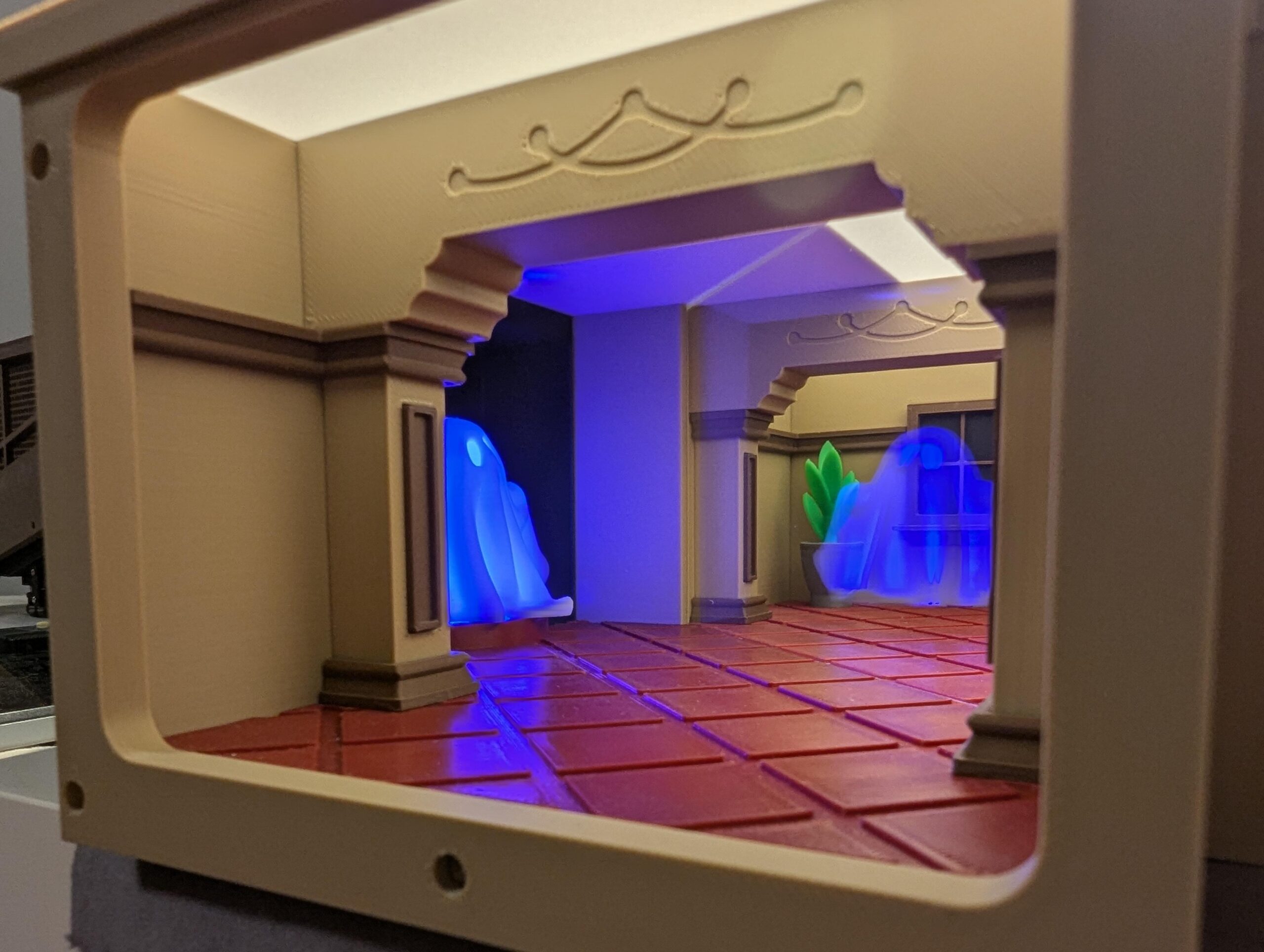
The illusion works by reflecting an image off a sheet of glass or plexiglass positioned at an angle between the audience and the hidden object or actor. By carefully controlling the lighting and positioning of the glass, a transparent reflection is created, making it appear as though the ghostly figure is interacting with the real world.
Originally used in theatres to bring spectral characters to life, Pepper’s Ghost has since found applications in museums, theme parks, and even modern entertainment events. Its ability to blur the line between reality and illusion continues to amaze and delight audiences of all ages.
One of the most famous implementations of Pepper’s Ghost was in Disney’s Haunted Mansion attraction, where ghostly figures seem to materialise out of thin air, creating a spine-chilling experience for visitors.
As technology advances, new variations and adaptations of Pepper’s Ghost continue to emerge, showcasing its enduring appeal and versatility in creating magical moments. Whether used for entertainment or educational purposes, this classic illusion remains a testament to the power of creativity and innovation in captivating our imagination.
So next time you witness a ghostly figure seemingly come to life before your eyes, remember the timeless artistry behind Pepper’s Ghost – an illusion that continues to mystify and enchant audiences worldwide.
Understanding Pepper’s Ghost: Techniques, Theories, and Modern Applications
- How do you make a pepper’s ghost effect?
- What is the pepper’s ghost theory?
- Does Abba Voyage use pepper’s ghost?
- What is the ghost pepper theory?
- How to make pepper’s ghost at home?
- What is the difference between Pepper’s ghost and hologram?
How do you make a pepper’s ghost effect?
To create a Pepper’s Ghost effect, you need a hidden space or object, a sheet of glass or plexiglass positioned at an angle between the audience and the hidden element, and careful control of lighting. The hidden object or actor is placed out of sight but within the reflection range of the glass. By illuminating the hidden element and dimming the surrounding area, the reflection on the glass creates a transparent image that appears to interact with the real world, giving the illusion of a ghostly figure or object. This classic optical illusion technique requires precise setup and lighting adjustments to achieve its magical effect successfully.
What is the pepper’s ghost theory?
The Pepper’s Ghost theory refers to the optical illusion technique developed by John Henry Pepper in the 19th century. This ingenious method involves using a sheet of glass or plexiglass positioned at an angle to reflect an image, creating a transparent ghostly apparition that appears to interact with the real world. By controlling lighting and angles, the illusionist can manipulate how the ghostly figure is perceived by the audience, leading to captivating and seemingly supernatural effects on stage. The Pepper’s Ghost theory remains a fascinating example of how science and artistry can combine to create illusions that continue to mystify and entertain audiences across different platforms and settings.
Does Abba Voyage use pepper’s ghost?
The frequently asked question regarding Abba Voyage and Pepper’s Ghost has sparked curiosity among fans and enthusiasts. While the specifics of the technology used in Abba Voyage’s performances have not been officially disclosed, there are intriguing speculations about the potential incorporation of Pepper’s Ghost illusion due to its captivating visual effects. Whether Abba Voyage utilises this classic technique or employs other innovative methods to enhance their stage presence, the mystery surrounding their immersive performances only adds to the allure of their musical journey.
What is the ghost pepper theory?
The “ghost pepper theory” is a common misconception often associated with Pepper’s Ghost illusion. Contrary to its name, the ghost pepper theory has no direct connection to the optical illusion technique developed by John Henry Pepper. Instead, the term seems to have arisen from a mix-up or confusion between the spicy chili pepper known as the ghost pepper and the theatrical illusion technique. It’s important to clarify that the ghost pepper theory does not exist in relation to Pepper’s Ghost, which remains a fascinating and captivating optical illusion used in various entertainment and educational settings.
How to make pepper’s ghost at home?
Creating a Pepper’s Ghost illusion at home can be a fun and rewarding DIY project that allows you to experience the magic of this classic optical trick firsthand. To make a simple version of Pepper’s Ghost, you will need a sheet of glass or plexiglass, a darkened room, and two separate spaces – one for the hidden object or actor and another for the audience. Position the glass at an angle between the two spaces, ensuring that it remains invisible to the viewers. By carefully adjusting the lighting in each area and strategically placing props or actors, you can create your own eerie apparitions that seem to materialise out of thin air. Experimenting with different setups and angles can help enhance the illusion and make your homemade Pepper’s Ghost experience even more captivating.
What is the difference between Pepper’s ghost and hologram?
When exploring the realm of visual illusions, a common question that arises is the distinction between Pepper’s Ghost and holograms. While both techniques create captivating visual effects, they operate on different principles. Pepper’s Ghost relies on the reflection of an image off a sheet of glass to produce a transparent apparition that interacts with its surroundings, whereas holograms use light diffraction to create a three-dimensional image that appears to float in space without the need for physical props. Each method offers its unique charm and applications, showcasing the diverse ways in which technology can bring illusions to life in mesmerising ways.