

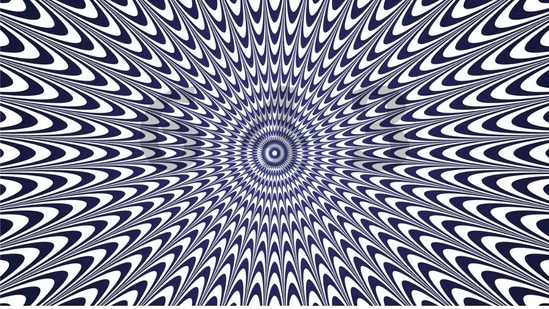
Exploring the Enigmatic World of Optical Illusion
The Fascinating World of Optical Illusions
Optical illusions have captivated and intrigued people for centuries, offering a glimpse into the mysterious ways our brains interpret visual information. These mind-bending images and tricks play with our perception, creating illusions that challenge reality and leave us questioning what we see.
One of the most famous optical illusions is the “impossible triangle,” a drawing that appears to be a three-dimensional object but is actually an optical illusion created by clever use of perspective and shading. This illusion defies logic and confounds our sense of space, making it a favourite among illusion enthusiasts.
Another popular optical illusion is the “Müller-Lyer illusion,” which consists of two lines with arrowheads at each end pointing in opposite directions. Despite being the same length, one line appears longer than the other due to the addition of arrowheads, tricking our brains into perceiving them differently.
Optical illusions can be found in art, design, architecture, and even nature. From hidden images in paintings to geometric patterns that seem to move, these illusions showcase the power of visual perception and how easily it can be manipulated.
Scientists study optical illusions to better understand how our brains process visual information and perceive the world around us. By exploring these tricks of the mind, researchers gain insights into human cognition and sensory processing, shedding light on the complexities of perception.
Whether you’re fascinated by the science behind optical illusions or simply enjoy marvelling at their mesmerising effects, there’s no denying the enduring appeal of these captivating visual phenomena. So next time you encounter an optical illusion, take a moment to appreciate the magic of perception and let yourself be transported into a world where reality is not always as it seems.
Exploring the Fascinating Benefits of Optical Illusions: Stimulating Minds and Inspiring Creativity
- Optical illusions stimulate the brain and encourage cognitive engagement.
- They provide a fun and entertaining way to challenge perception.
- Optical illusions can be used as educational tools to teach about visual perception.
- They inspire creativity and spark curiosity in how the mind interprets images.
- Optical illusions offer a unique form of art that plays with perspective and depth.
- They demonstrate the fascinating ways in which our brains process visual information.
- Engaging with optical illusions can improve observation skills and attention to detail.
- They create opportunities for exploration and discovery of hidden patterns in images.
- Optical illusions can evoke a sense of wonder and awe at the complexities of human vision.
Challenges of Optical Illusions: Discomfort, Dizziness, and Misinterpretation
- Optical illusions can sometimes cause discomfort or confusion in individuals who may struggle to interpret the visual information correctly.
- Certain optical illusions may trigger dizziness or headaches in sensitive individuals, especially when viewing moving patterns or rapidly changing images.
- Misinterpretation of optical illusions could lead to misunderstandings or misjudgements in certain situations, potentially affecting decision-making processes.
Optical illusions stimulate the brain and encourage cognitive engagement.
Optical illusions offer a unique benefit by stimulating the brain and promoting cognitive engagement. When we encounter these captivating visual tricks, our brains are challenged to make sense of what we see, leading to increased neural activity and mental stimulation. By engaging with optical illusions, individuals can enhance their cognitive abilities, such as visual processing, attention to detail, and problem-solving skills. This cognitive engagement not only provides entertainment but also offers a valuable opportunity for mental exercise and exploration of the fascinating complexities of human perception.
They provide a fun and entertaining way to challenge perception.
Optical illusions offer a delightful and engaging avenue to test the limits of perception. By presenting captivating visual puzzles and tricks, they invite viewers to question their senses and explore the fascinating realm of how the mind interprets what the eyes see. These illusions not only entertain but also spark curiosity and encourage individuals to think critically about how they perceive the world around them. Embracing optical illusions as a form of playful challenge can lead to a deeper appreciation for the complexities of human perception and the intriguing ways in which our minds can be deceived and delighted simultaneously.
Optical illusions can be used as educational tools to teach about visual perception.
Optical illusions serve as valuable educational tools to deepen our understanding of visual perception. By presenting captivating visual puzzles that challenge our brains to interpret reality in unconventional ways, optical illusions offer a hands-on approach to exploring the complexities of how we see and process visual information. Through studying these illusions, students and enthusiasts alike can gain insights into the intricate mechanisms of human perception, fostering a deeper appreciation for the fascinating interplay between our eyes and brain.
They inspire creativity and spark curiosity in how the mind interprets images.
The pro of optical illusions lies in their ability to inspire creativity and ignite curiosity in the fascinating ways the mind interprets images. By presenting visual stimuli that challenge our perception and defy logic, optical illusions encourage us to think outside the box, experiment with different perspectives, and explore the limits of our imagination. These captivating illusions serve as a gateway to unlocking the mysteries of human cognition, prompting us to question reality and delve deeper into the complexities of visual processing.
Optical illusions offer a unique form of art that plays with perspective and depth.
Optical illusions offer a captivating and unique form of art that plays with perspective and depth, inviting viewers to question their perception of reality. Through clever manipulation of lines, shapes, and colours, optical illusions create visual puzzles that challenge the way we interpret space and dimension. Artists who specialise in this genre use their creativity to deceive the eye and spark curiosity in their audience, showcasing the limitless possibilities of visual expression. By immersing oneself in the world of optical illusions, one can appreciate the intricate craftsmanship behind these mind-bending artworks and experience a new appreciation for the power of visual deception.
They demonstrate the fascinating ways in which our brains process visual information.
Optical illusions serve as a captivating showcase of the intricate ways in which our brains interpret visual information. These mesmerising illusions play tricks on our perception, revealing the complexities of how our minds process and make sense of the world around us through visual stimuli. By presenting images that defy logic and challenge reality, optical illusions offer a glimpse into the remarkable capabilities of our cognitive processes, highlighting the fascinating intricacies of human vision and perception.
Engaging with optical illusions can improve observation skills and attention to detail.
Engaging with optical illusions offers a unique opportunity to enhance observation skills and attention to detail. By challenging our perception and prompting us to look closer at seemingly deceptive images, optical illusions encourage a more focused and analytical approach to visual stimuli. Through the exploration of these mind-bending tricks, individuals can train their minds to notice subtle nuances, patterns, and discrepancies that may go unnoticed in everyday situations. This heightened awareness not only enriches the viewing experience but also cultivates a greater appreciation for the intricacies of the world around us.
They create opportunities for exploration and discovery of hidden patterns in images.
Optical illusions offer a captivating pro by creating opportunities for exploration and discovery of hidden patterns in images. These intriguing visual tricks encourage viewers to engage with the artwork or design on a deeper level, prompting them to uncover hidden details and uncover the secrets within. By challenging our perception and inviting us to look beyond the surface, optical illusions stimulate curiosity and spark a sense of wonder as we unravel the mysteries concealed within the intricate patterns and shapes. Through this process of exploration, we not only appreciate the artistry behind optical illusions but also gain a newfound appreciation for the complexity of visual stimuli and the endless possibilities for discovery that lie within each illusion.
Optical illusions can evoke a sense of wonder and awe at the complexities of human vision.
Optical illusions have the remarkable ability to evoke a profound sense of wonder and awe by showcasing the intricate complexities of human vision. When we encounter these mesmerising visual tricks, we are reminded of the fascinating ways in which our brains interpret and perceive the world around us. The illusions challenge our understanding of reality, prompting us to question the limitations of our own senses and appreciate the sheer creativity and ingenuity behind these mind-bending phenomena. In experiencing optical illusions, we are invited to marvel at the mysteries of perception and delve into the captivating realm where art, science, and imagination converge to reveal the astonishing capabilities of human vision.
Optical illusions can sometimes cause discomfort or confusion in individuals who may struggle to interpret the visual information correctly.
Optical illusions, while intriguing and captivating for many, can have a downside for some individuals. In certain cases, optical illusions may lead to discomfort or confusion for those who find it challenging to interpret the visual information accurately. The mind-bending effects of these illusions can be disorienting and unsettling for some, highlighting the importance of being mindful of individual differences in perception and sensitivity to visual stimuli. It is essential to approach optical illusions with caution and awareness of their potential impact on different viewers.
Certain optical illusions may trigger dizziness or headaches in sensitive individuals, especially when viewing moving patterns or rapidly changing images.
Certain optical illusions have the potential to induce dizziness or headaches in individuals who are sensitive to visual stimuli, particularly when exposed to moving patterns or rapidly changing images. The disorienting nature of some illusions can disrupt the brain’s ability to process visual information smoothly, leading to discomfort for those with heightened sensitivity. It is important for individuals experiencing such adverse effects to take breaks and avoid prolonged exposure to triggering illusions in order to prevent any discomfort or negative reactions.
Misinterpretation of optical illusions could lead to misunderstandings or misjudgements in certain situations, potentially affecting decision-making processes.
The deceptive nature of optical illusions poses a significant con as misinterpretation of these visual tricks could result in misunderstandings or misjudgements in various situations. In certain contexts, such as interpreting spatial relationships or assessing distances, falling prey to optical illusions may lead to erroneous conclusions. This misinterpretation has the potential to impact decision-making processes, influencing choices and actions based on false perceptions rather than objective reality. It is crucial to be aware of the pitfalls of optical illusions and exercise caution when relying on visual information to avoid unintended consequences.