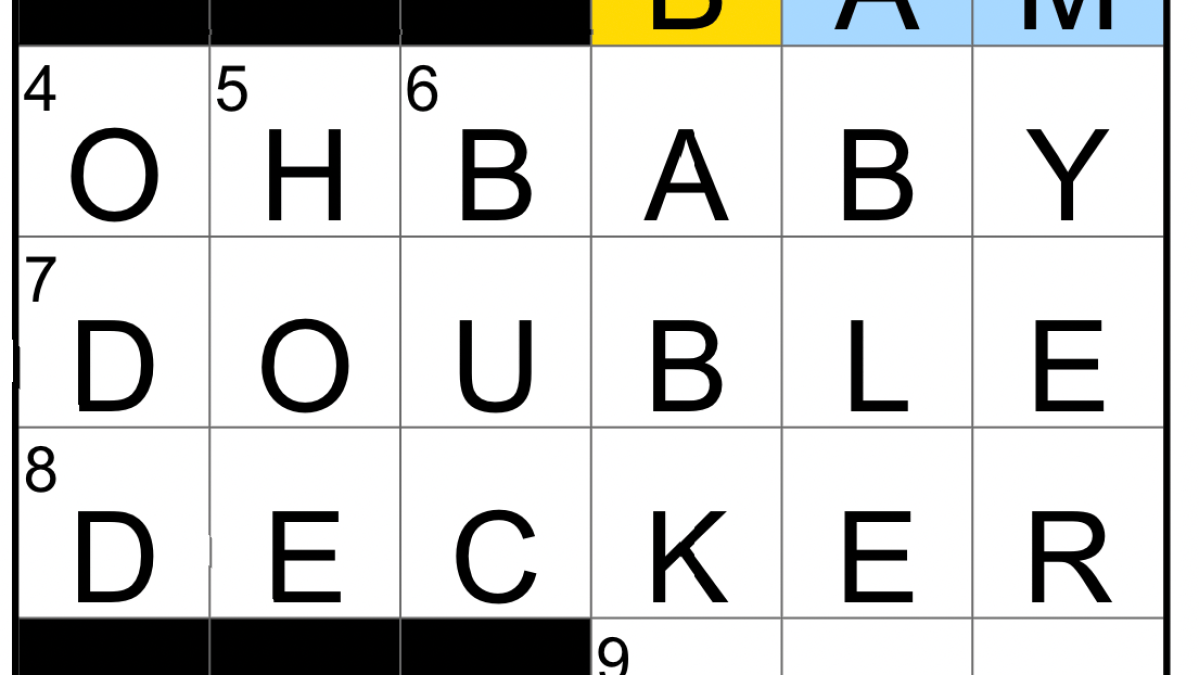
Daily Crossword NYT: Tips for Solving the New York Times Puzzle
Daily Crossword NYT: A Guide to the New York Times Crossword
The daily crossword from The New York Times is a popular word puzzle enjoyed by solvers around the world. It combines vocabulary, general knowledge, wordplay and lateral thinking in a grid of interlocking answers. Whether you are new to crosswords or already have a regular solving routine, each puzzle offers a fresh challenge.
How the Daily Crossword Works
Each puzzle has a grid of white and black squares. The white squares form numbered answers, which run either Across or Down. Clues point towards the words or phrases that belong in the grid, and crossing answers can help you check your guesses.
Many puzzles include a theme: a shared idea or a playful feature connecting several longer answers. Some clues rely on straightforward definitions, while others use puns, abbreviations, cultural references or unexpected meanings. Part of the fun is learning to recognise the setter’s style.
Does the Puzzle Get Harder During the Week?
The New York Times crossword traditionally increases in difficulty from Monday to Saturday. Monday puzzles are generally the most accessible, making them a useful starting point for newer solvers. Later-week puzzles tend to feature more intricate wordplay and less direct clues. The Sunday crossword is larger than the weekday puzzles, but it is not necessarily the hardest of the week.
Tips for Solving
- Start with the clues you know. A few confident answers can open up several crossing entries.
- Use crossings. If a clue is unclear, letters from intersecting answers may reveal the word.
- Read clues carefully. Pay attention to tense, number and wording. A question mark can signal a pun or other wordplay.
- Think beyond the first meaning. A clue may refer to a phrase, a name, an abbreviation or a less common definition.
- Take a break when needed. Returning with fresh eyes can make a difficult clue easier to spot.
- Learn from the answers. Reviewing unfamiliar references can build knowledge for future puzzles.
Playing Online
The New York Times offers its crossword through its website and app. Availability, features and access requirements can change, so check the official New York Times Crossword pages for the latest details. The crossword is part of The New York Times’ puzzle offering, which also includes other word and logic games.
A Puzzle for Every Day
The appeal of the daily crossword lies in its mix of routine and surprise. Each grid is a small mental workout, but it can also be a relaxing break or a shared activity with friends and family. Start with the clues you can answer, stay curious about the ones you cannot, and let the crossing words guide you towards the finish.
Mastering the Daily NYT Crossword: 7 Essential Tips for Success
- Start with the Monday puzzle; difficulty usually rises through the week.
- Fill in answers you know, then use crossing clues to check them.
- Read each clue carefully for wordplay, tense and plurals.
- Try common short words when you need a foothold.
- Use a clue’s theme to connect related answers.
- Take a short break if you get stuck, then return with fresh eyes.
- Check every crossing before submitting your grid.
Start with the Monday puzzle; difficulty usually rises through the week.
If you’re new to the daily NYT crossword, start with the Monday puzzle. It’s usually the easiest of the week, giving you a chance to get comfortable with the grid, clues and common wordplay. The puzzles generally become more challenging as the week goes on, so working through them day by day can help you build confidence and sharpen your solving skills.
Fill in answers you know, then use crossing clues to check them.
Start by filling in the answers you know with confidence, then use the crossing clues to check each letter. If an answer doesn’t fit with the words running the other way, revisit the clue and consider an alternative. This approach helps you build momentum, spot mistakes early and gradually unlock the more challenging parts of the daily crossword.
Read each clue carefully for wordplay, tense and plurals.
Read each clue carefully, as small details can point to the answer. Check whether the wording suggests a particular tense or a plural, and watch for puns, double meanings or other forms of wordplay. A question mark can signal that a clue is playful rather than literal, while the crossing answers can help confirm whether your interpretation fits.
When you need a foothold in the Daily NYT Crossword, try filling in familiar short words first. Three- and four-letter answers often come from common abbreviations, everyday phrases or simple vocabulary, and solving just one can reveal useful crossing letters. If a guess does not fit the intersecting clues, change it and keep going—small, reliable answers can help unlock the rest of the grid.
Use the puzzle’s theme to spot links between related answers, especially the longer entries. Once you’ve solved one themed clue, look for a shared pattern, phrase or wordplay in the others; this can help you predict possible answers and make tricky clues easier to crack.
Take a short break if you get stuck, then return with fresh eyes.
If you get stuck on the daily NYT crossword, take a short break rather than forcing an answer. Stepping away gives your mind a chance to reset, and when you return, you may spot a different meaning in a clue or notice how the crossing letters fit together. Even a few minutes away can make the puzzle feel more manageable.
Check every crossing before submitting your grid.
Before submitting your Daily Crossword NYT grid, check every crossing to make sure the answers fit together. A single incorrect letter can affect more than one word, so review any entries that seem uncertain and use the intersecting clues to confirm them. This quick final check can help you spot small mistakes and submit your puzzle with greater confidence.