

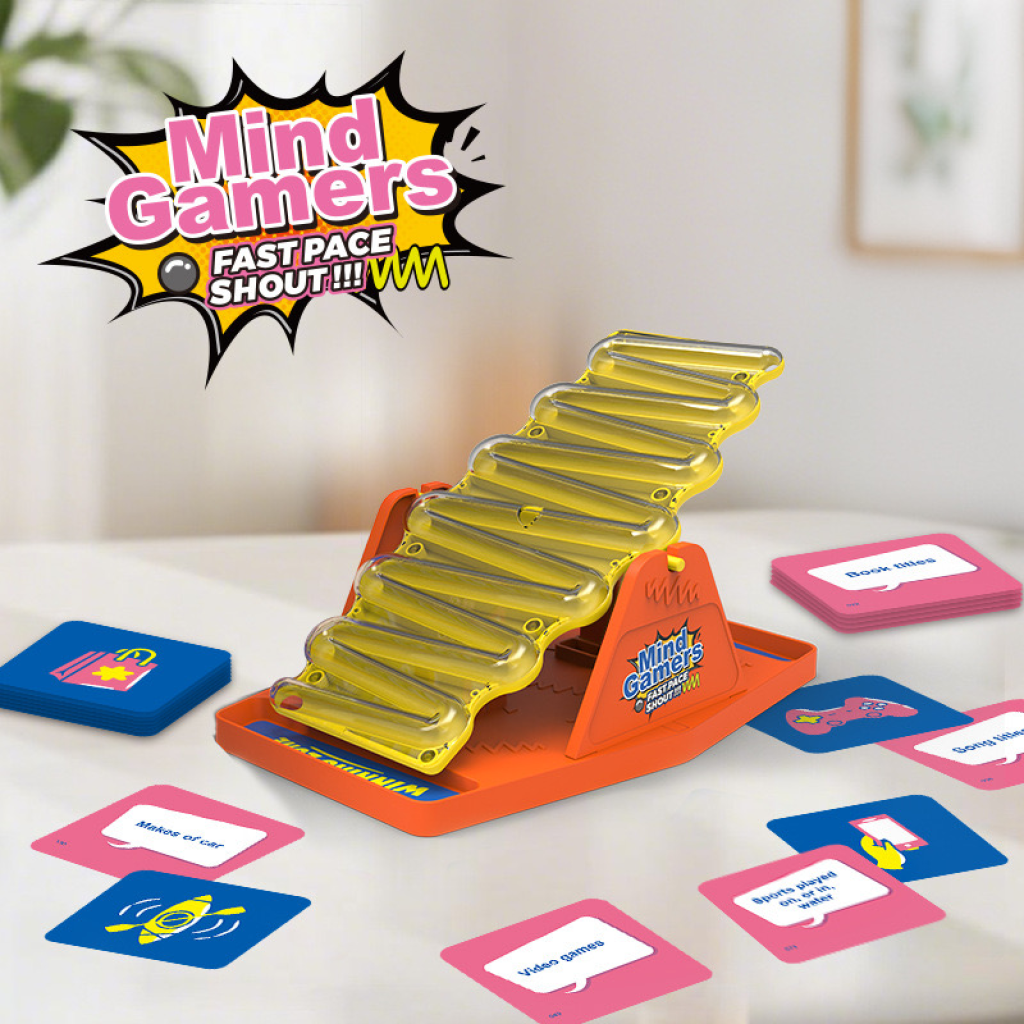
Unlock Your Potential: The World of Mind Gaming
The Power of Mind Gaming: Enhancing Cognitive Abilities Through Play
As technology continues to advance, so do the ways in which we engage with games. One emerging trend that has captured the attention of both casual players and researchers alike is mind gaming. Unlike traditional video games that focus solely on entertainment, mind gaming aims to stimulate cognitive functions and enhance mental abilities through play.
Benefits of Mind Gaming
Mind gaming offers a range of benefits beyond mere enjoyment. By engaging in games that challenge memory, problem-solving skills, and strategic thinking, players can improve their cognitive abilities in a fun and interactive way. Studies have shown that regular participation in mind gaming activities can lead to enhanced concentration, improved memory retention, and increased mental agility.
Types of Mind Games
There are various types of mind games available to suit different preferences and skill levels. From classic puzzles like Sudoku and crosswords to brain-training apps that target specific cognitive functions, there is no shortage of options for those looking to give their minds a workout.
Memory Games
Memory games are designed to challenge your ability to recall information quickly and accurately. These games often involve matching pairs, remembering sequences, or identifying patterns – all of which help strengthen your memory retention skills.
Problem-Solving Games
Problem-solving games require players to think critically and logically to overcome challenges. By tackling complex puzzles or navigating intricate mazes, players can sharpen their analytical skills and improve their decision-making abilities.
Strategy Games
Strategy games test your ability to plan ahead, anticipate outcomes, and adapt to changing circumstances. Whether it’s conquering virtual worlds or outsmarting opponents in tactical battles, these games encourage strategic thinking and quick decision-making under pressure.
The Future of Mind Gaming
As the field of mind gaming continues to evolve, we can expect to see even more innovative ways in which technology is used to enhance cognitive abilities through play. From virtual reality simulations that immerse players in challenging environments to AI-powered systems that adapt gameplay based on individual performance, the possibilities are endless.
Whether you’re looking to boost your mental acuity or simply enjoy a stimulating challenge, mind gaming offers a unique opportunity to exercise your brain while having fun. So why not give it a try? Your mind will thank you!
Exploring Mind Games: Understanding Their Impact, Examples, and Signs
- Is gaming good for mental health?
- What is an example of a mind game?
- What are signs someone is playing mind games?
- What does it mean to play mind games?
- Is someone playing mind games with me?
Is gaming good for mental health?
Research has shown that gaming can have both positive and negative effects on mental health, depending on various factors such as the type of game, frequency of play, and individual preferences. Engaging in mind gaming activities that challenge cognitive functions and promote problem-solving skills can be beneficial for mental health by stimulating the brain and improving cognitive abilities. However, excessive gaming or playing games that promote aggression or addiction can have detrimental effects on mental well-being. It is essential to strike a balance and approach gaming mindfully to reap the potential benefits while safeguarding mental health.
What is an example of a mind game?
An example of a mind game is Sudoku, a popular puzzle game that challenges players to fill a 9×9 grid with numbers so that each row, column, and 3×3 section contains all the digits from 1 to 9 without repeating. Sudoku requires logical thinking, pattern recognition, and strategic decision-making to solve the puzzle successfully. Players must use their cognitive skills to deduce the correct placement of numbers and complete the grid, making it an engaging and stimulating exercise for the mind.
What are signs someone is playing mind games?
Identifying signs that someone is playing mind games can be crucial in maintaining healthy relationships and protecting oneself from manipulation. Common indicators include inconsistent behaviour, frequent use of guilt or blame, and a tendency to provoke jealousy or insecurity. Additionally, individuals engaging in mind games may exhibit a lack of transparency or honesty, often withholding information or offering vague explanations. Recognising these signs can help individuals set boundaries, communicate effectively, and navigate interpersonal dynamics with greater awareness and resilience.
What does it mean to play mind games?
Playing mind games refers to engaging in activities or strategies that involve psychological manipulation, deception, or strategic thinking to achieve a desired outcome. In the context of interpersonal relationships, playing mind games may involve subtle tactics aimed at influencing or controlling the thoughts and behaviours of others. These games can range from playful teasing and flirting to more manipulative behaviours designed to gain an advantage or assert dominance. Understanding the nuances of playing mind games is essential in navigating social dynamics and recognising when such tactics are being used for positive interaction or potentially harmful manipulation.
Is someone playing mind games with me?
The question “Is someone playing mind games with me?” often arises when individuals sense manipulative or deceitful behaviour in their interactions. This concern can stem from subtle psychological tactics employed by others to control or influence a situation, leading to feelings of confusion and mistrust. Recognising the signs of mind games, such as inconsistent behaviour, gaslighting, or emotional manipulation, is crucial in maintaining healthy boundaries and protecting one’s mental well-being. Seeking clarity through open communication and setting firm boundaries can help address suspicions of mind games and foster more authentic and respectful relationships.