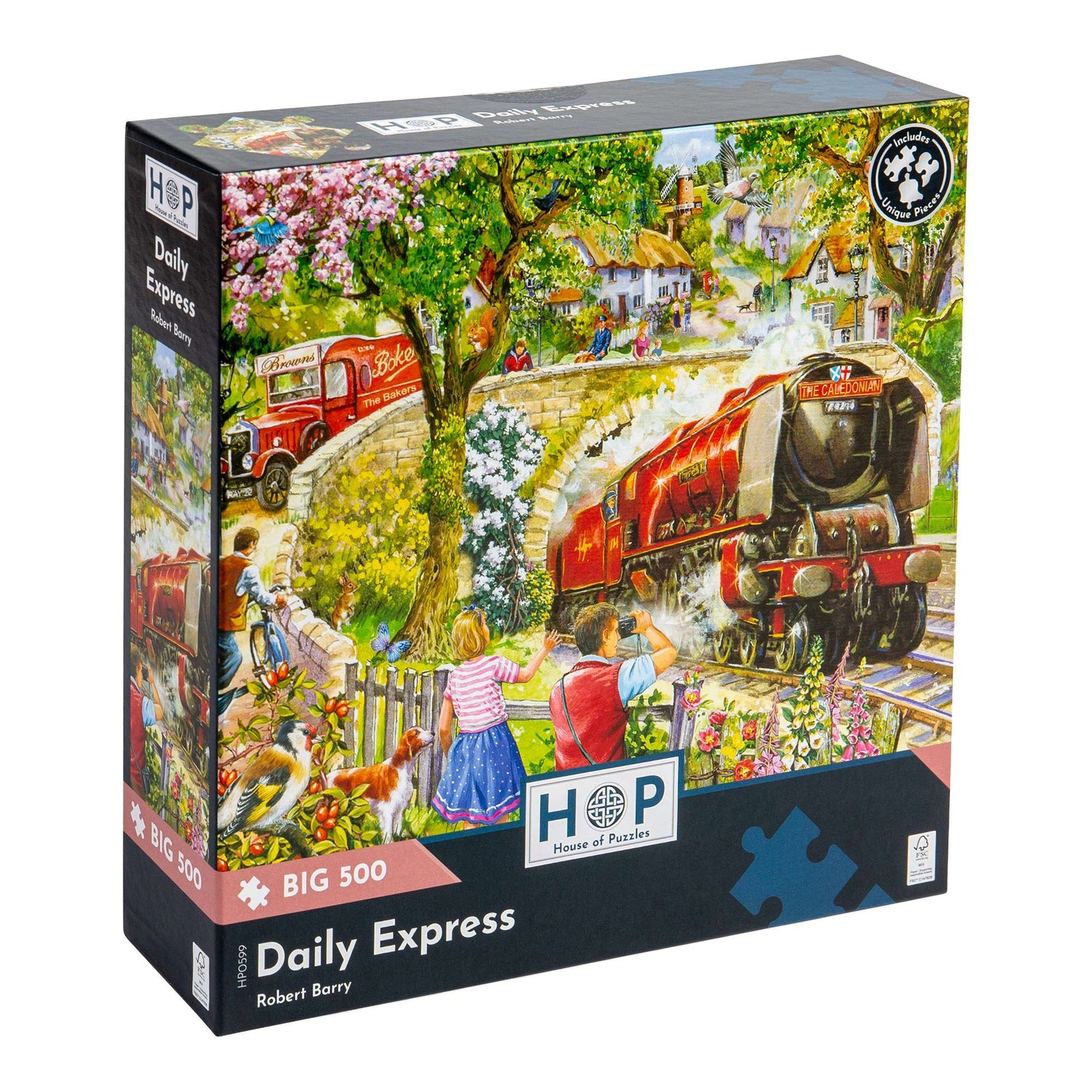
Daily Jigsaw Puzzle Games: A Fresh Challenge Every Day
Daily Jigsaw Puzzle Games: A Small Challenge with Big Rewards
Daily jigsaw puzzle games turn a familiar pastime into an easy routine. Whether you have a few minutes over breakfast or a quiet half-hour in the evening, a puzzle offers a satisfying way to pause, focus and enjoy a challenge. Many online versions provide a fresh image or a new set of pieces each day, giving players a reason to return regularly.
Why play a puzzle every day?
Jigsaw puzzles encourage patience and concentration. As you compare colours, shapes and patterns, you practise noticing small details and working towards a larger goal. Completing a puzzle can also bring a welcome sense of achievement, even when the image is small and the challenge takes only a short time.
A daily puzzle can be a relaxing alternative to scrolling through news or social media. It creates a clear beginning and end: choose a puzzle, work through the pieces and enjoy the finished picture. It is also an activity that can be enjoyed alone or shared with family and friends.
Choosing the right level of difficulty
The best puzzle is one that feels engaging rather than frustrating. Beginners may prefer a smaller number of pieces and an image with distinct colours or clear shapes. More experienced players might enjoy larger puzzles, similar-looking sections or pictures with intricate details.
Digital jigsaw games often let you adjust the piece count, use hints or sort pieces into groups. These options make it easier to find a comfortable level and can help new players build confidence before moving on to more demanding puzzles.
Tips for solving daily jigsaw puzzles
- Start with the edges. Pieces with one straight side are easier to identify and can help establish the puzzle’s outline.
- Sort before you connect. Group pieces by colour, pattern or recognisable features, such as a face, building or flower.
- Look at the whole image. Use the reference picture to spot landmarks and understand where different sections belong.
- Work in small areas. Completing one distinct section at a time can make a large puzzle feel more manageable.
- Take a break when needed. Fresh eyes can make it easier to notice a piece you have overlooked.
Making puzzles part of your routine
There is no need to set aside a long stretch of time. A few minutes a day can be enough to make steady progress, and many online puzzles save your place between visits. Try fitting a puzzle into a regular moment in your day, but keep it enjoyable rather than turning it into another task to complete.
For a shared challenge, invite someone else to help or compare solving strategies. One person might focus on the edges while another looks for pieces that match a particular colour or part of the picture. Working together can make the experience more social and give everyone a chance to contribute.
A simple pleasure, one piece at a time
Daily jigsaw puzzle games combine a clear goal with the freedom to solve at your own pace. They can be quick or absorbing, straightforward or challenging, and there is always the pleasure of seeing a picture come together. Pick a design that appeals to you, find a comfortable level and enjoy the process—one piece at a time.
Six Benefits of Playing Daily Jigsaw Puzzles
- Encourage focus and patience
- Provide a relaxing daily break
- Offer a satisfying sense of achievement
- Help practise visual problem-solving
- Easy to enjoy at your own pace
- Make a fun activity to share
Five Drawbacks of Daily Jigsaw Puzzle Games
- Can be time-consuming.
- May strain your eyes during long sessions.
- Repetitive gameplay can become dull.
- Small screen pieces can be fiddly.
- Daily challenges may feel like a chore.
Encourage focus and patience
Daily jigsaw puzzle games encourage focus and patience by inviting players to examine each piece carefully and consider how it might fit into the bigger picture. Progress often comes through trying different possibilities rather than finding an instant solution, helping players practise staying attentive and taking their time. Completing a puzzle one piece at a time can also make the reward feel all the more satisfying.
Provide a relaxing daily break
Daily jigsaw puzzle games offer a relaxing break from busy routines and screens filled with notifications. Focusing on the shapes, colours and patterns can help you slow down and give your mind a chance to settle, even if you only have a few minutes to spare. With no need to rush, you can work at your own pace and enjoy the quiet satisfaction of fitting pieces together.
Offer a satisfying sense of achievement
Daily jigsaw puzzle games offer a satisfying sense of achievement as each correctly placed piece brings the picture closer to completion. Finishing a puzzle, whether in a few minutes or over several sessions, gives you a clear reward for your patience and concentration. This small daily success can lift your mood and encourage you to return for another challenge.
Help practise visual problem-solving
Daily jigsaw puzzle games help you practise visual problem-solving by encouraging you to study shapes, colours and patterns, then work out how they fit together. As you compare pieces, spot visual clues and test different possibilities, you build a clearer sense of how small details contribute to the bigger picture. Regular play offers an enjoyable way to exercise these skills at your own pace.
Easy to enjoy at your own pace
Daily jigsaw puzzle games are easy to enjoy at your own pace, whether you have a few minutes to fit in a handful of pieces or more time to work towards completing the whole picture. There is no need to rush or keep up with anyone else: you can pause whenever you like and return when it suits you. This flexibility makes a daily puzzle a relaxing activity that can fit naturally into your routine.
Make a fun activity to share
Daily jigsaw puzzle games make a fun activity to share with family and friends. You can work together to find matching pieces, take turns completing sections or enjoy a friendly race to see who spots the next piece first. With a fresh puzzle each day, there is always a new picture to discuss and a simple reason to spend quality time together.
Can be time-consuming.
Daily jigsaw puzzle games can be time-consuming, particularly when they have lots of pieces or a complex image. It is easy to lose track of time while searching for the right shapes, and a puzzle may take longer than expected to finish. Setting a time limit or choosing a smaller puzzle can help keep the hobby enjoyable without letting it crowd out other activities.
May strain your eyes during long sessions.
One drawback of daily jigsaw puzzle games, particularly digital ones, is that long sessions can strain your eyes. Staring at a screen for extended periods may cause tired or dry eyes, headaches or blurred vision, especially in poor lighting. Taking regular breaks, adjusting screen brightness and looking away from the screen can help make puzzle time more comfortable.
Repetitive gameplay can become dull.
Daily jigsaw puzzle games can start to feel repetitive, particularly when the format, difficulty and types of images rarely change. Once the routine becomes familiar, sorting pieces and completing similar pictures may lose its appeal, making it harder to stay motivated. Varying the puzzle size, choosing different themes or taking a break can help keep the experience fresh.
Small screen pieces can be fiddly.
On a mobile phone, small jigsaw pieces can be fiddly to move and rotate, especially when several are close together. This may lead to accidental taps or make it harder to see where a piece belongs. A larger screen, such as a tablet or computer, can make the game more comfortable to play.
Daily challenges may feel like a chore.
Daily jigsaw puzzles can start to feel like a chore when the daily challenge becomes another task to tick off. A puzzle that once offered a relaxing break may feel less enjoyable if you feel obliged to complete it every day, especially when you are busy or the image and difficulty do not appeal. It is perfectly fine to skip a day or return whenever you feel like it; puzzles should be fun, not an obligation.