

Vision Problems: Common Symptoms, Causes and When to Seek Help
Vision problems can affect people of any age. They may develop gradually or appear suddenly, and can range from mild blurring to a serious loss of sight. Some difficulties are caused by a change in prescription, while others may be linked to an eye condition or a wider health issue. An eye examination can help identify the cause and determine whether treatment is needed.
Common signs of a vision problem
Vision problems do not always feel the same for everyone. Common signs include:
- Blurred or distorted vision
- Difficulty seeing objects up close or at a distance
- Frequent headaches, particularly after reading or using a screen
- Eye strain, tired eyes or trouble focusing
- Difficulty seeing at night or adjusting to changes in light
- Increased sensitivity to light
- Seeing flashes, new floaters or a shadow across the field of vision
- Double vision or a change in colour vision
These symptoms can have different causes, so they should not be used to diagnose a condition without a professional assessment.
Possible causes
Refractive errors are among the most common reasons for unclear vision. Short-sightedness, long-sightedness and astigmatism affect how light is focused in the eye. Presbyopia, a gradual change in the ability to focus on close objects, is common as people get older. These problems can often be corrected with glasses or contact lenses.
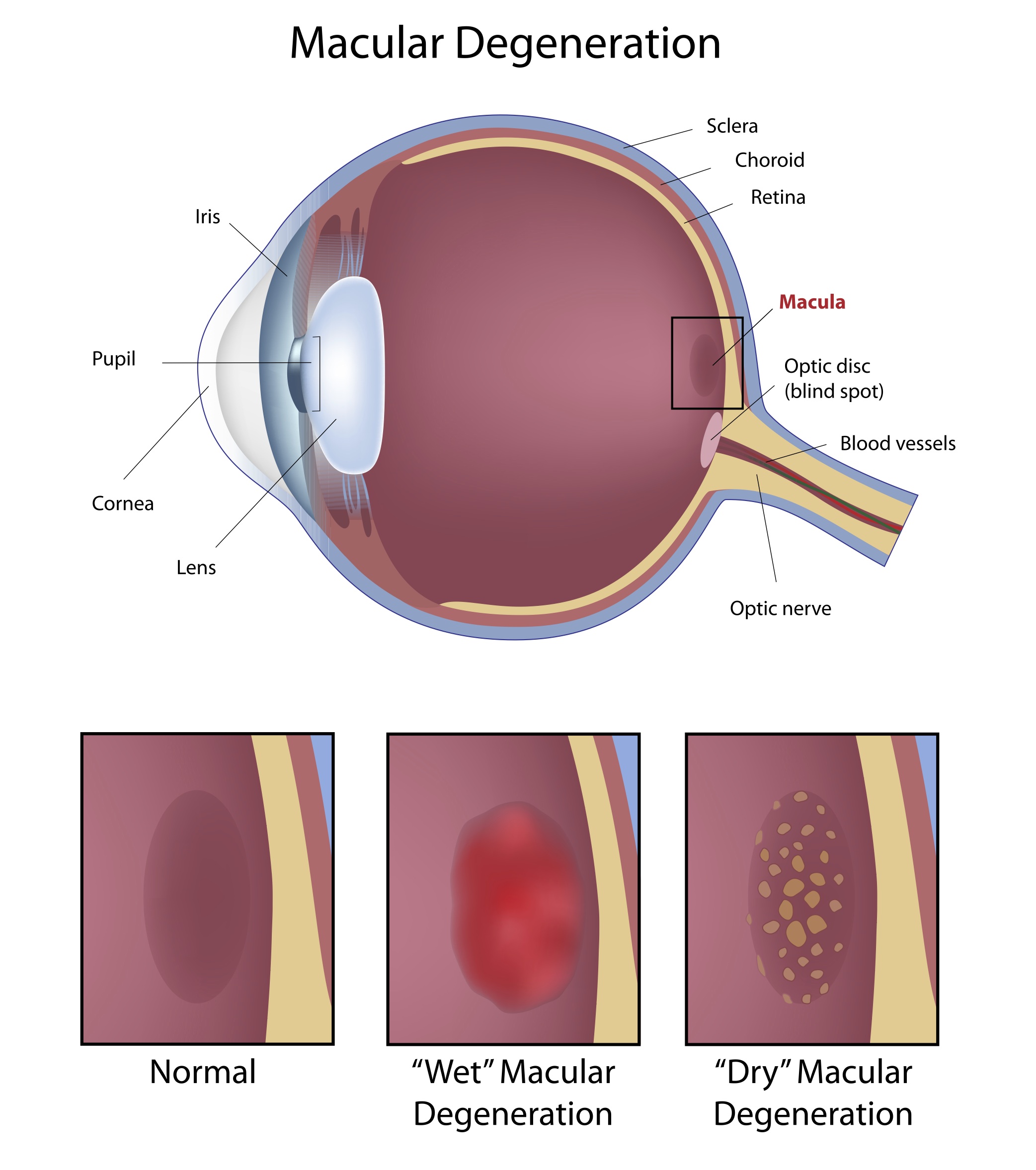
Other causes include dry eyes, eye strain, infections and conditions such as cataracts, glaucoma or age-related macular degeneration. Health conditions, including diabetes, can also affect the eyes. Some medicines may cause visual side effects. Only an eye-care professional or doctor can assess what is causing a particular symptom.
When to seek urgent help
Some changes in vision need urgent attention. Seek immediate medical advice if you experience sudden loss or serious blurring of vision, a dark curtain or shadow moving across your sight, or a sudden increase in flashes or floaters. Sudden double vision, severe eye pain, a very red eye with blurred vision, or an eye injury also requires urgent assessment.
If vision changes occur alongside weakness or numbness on one side of the body, difficulty speaking, confusion or a sudden severe headache, call 999. Do not drive yourself if your sight is affected.
Looking after your eyesight
Regular sight tests can identify changes in vision and may reveal signs of eye disease before noticeable symptoms develop. In the UK, an optometrist can carry out a sight test and advise whether you need glasses or further assessment. Ask your optometrist how often you should have your eyes checked, as this can depend on your age, health and family history.
Good everyday habits can also support eye comfort. Take breaks during prolonged screen use, make sure your workspace is well lit, and blink regularly when concentrating on a screen. Avoid rubbing your eyes, follow contact-lens care instructions and wear suitable eye protection during activities that could cause injury. If your eyes feel persistently dry or uncomfortable, seek advice rather than relying on eye drops without checking they are appropriate for you.
Children and vision
Children may not realise that their vision is unclear. Sitting very close to a screen, frequent squinting, difficulty reading, or regularly losing their place can be reasons to arrange an eye examination. These signs do not necessarily mean there is an eye problem, but checking can help ensure that any difficulty is recognised early.
Getting the right advice
Vision changes should not be ignored, particularly if they are sudden, persistent or getting worse. Arrange an eye test for ongoing difficulties, and seek urgent care for sudden or severe symptoms. Prompt professional advice can help protect your sight and identify any treatment that may be needed.