

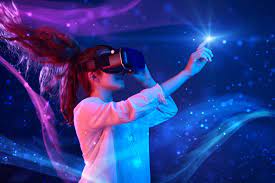
Exploring the Boundless Realms of Virtual Reality
The Wonders of Virtual Reality
Virtual reality (VR) has revolutionised the way we experience digital content, offering immersive and interactive experiences that transport us to new worlds without leaving our physical surroundings.
Through the use of specialised headsets and controllers, users can engage with virtual environments that stimulate their senses and create a sense of presence unlike any other medium. Whether exploring distant planets, diving into the depths of the ocean, or interacting with fantastical creatures, VR opens up a world of possibilities.
One of the most exciting aspects of VR is its potential for education and training. From medical simulations that allow students to practice surgical procedures to virtual tours of historical sites that bring history to life, VR offers a hands-on learning experience that is both engaging and effective.
Furthermore, VR has transformed entertainment industries, allowing users to become active participants in their favourite games and films. The ability to interact with characters and environments in a meaningful way enhances storytelling and creates a truly immersive entertainment experience.
As technology continues to advance, the possibilities for VR are endless. From social interactions in virtual spaces to therapeutic applications for mental health, VR has the power to shape our future in profound ways.
Whether you’re a tech enthusiast, a creative artist, or simply curious about the potential of virtual reality, one thing is certain – the world of VR is full of wonders waiting to be explored.
Exploring Virtual Reality: Answers to Common Questions
- What is virtual reality?
- How does virtual reality work?
- What are the applications of virtual reality?
- What equipment do I need for virtual reality?
- Is virtual reality safe to use?
- What are the benefits of virtual reality?
What is virtual reality?
Virtual reality, often abbreviated as VR, is a cutting-edge technology that immerses users in simulated environments through the use of specialised headsets and controllers. By leveraging advanced graphics, sound, and motion tracking capabilities, virtual reality creates a sense of presence that transports users to digital worlds where they can interact with objects and characters in real-time. This innovative technology offers a truly immersive experience that engages multiple senses, revolutionising how we perceive and interact with digital content.
How does virtual reality work?
Virtual reality works by creating a simulated environment that users can interact with through specialised equipment, such as VR headsets and controllers. These devices track the user’s movements and adjust the digital content in real-time to provide a seamless and immersive experience. By tricking the brain into perceiving the virtual environment as real, VR technology engages multiple senses, such as sight and sound, to transport users to a different world or scenario. This innovative technology has the power to redefine how we experience digital content, offering endless possibilities for entertainment, education, and exploration.
What are the applications of virtual reality?
Virtual reality (VR) technology offers a diverse range of applications across various industries. In the field of healthcare, VR is used for medical training simulations, pain management therapies, and even virtual rehabilitation exercises. In education, VR enhances learning experiences through immersive virtual field trips, interactive historical reconstructions, and engaging science simulations. The entertainment sector utilises VR for creating immersive gaming experiences, interactive storytelling in films, and virtual concerts or events. Additionally, industries such as architecture and engineering benefit from VR’s ability to visualise designs in 3D space, enabling better collaboration and decision-making processes. Overall, the applications of virtual reality continue to expand and innovate, offering exciting possibilities for enhancing how we work, learn, play, and interact with the world around us.
What equipment do I need for virtual reality?
To fully immerse yourself in the world of virtual reality, you will need some essential equipment. The primary requirement is a VR headset, which serves as your gateway to virtual environments by displaying 3D visuals and tracking your movements. Additionally, depending on the type of VR experience you are seeking, you may need controllers or sensors to interact with the virtual world effectively. High-quality audio is also crucial for a truly immersive experience, so investing in headphones or speakers designed for VR can enhance your overall enjoyment. Lastly, ensure that your computer or gaming console meets the necessary specifications to run VR content smoothly. By equipping yourself with the right tools, you can unlock a whole new realm of possibilities in the exciting world of virtual reality.
Is virtual reality safe to use?
When considering the safety of virtual reality (VR) technology, it is important to understand that, like any form of immersive experience, there are potential risks associated with its use. While VR is generally considered safe for most users, some individuals may experience discomfort or motion sickness due to the disconnect between visual perception and physical movement. It is recommended to take regular breaks while using VR to prevent these symptoms. Additionally, ensuring that the equipment is properly set up and adjusted to fit the user’s comfort level can help minimise any potential risks. Overall, with proper usage and awareness of personal limits, virtual reality can be a safe and enjoyable experience for most individuals.
What are the benefits of virtual reality?
Virtual reality offers a wide range of benefits that enhance various aspects of our lives. One significant advantage is its immersive nature, which allows users to experience scenarios and environments that may not be accessible in the physical world. VR also has great potential for education and training, providing realistic simulations that help users learn new skills in a safe and controlled environment. Additionally, virtual reality can be a powerful tool for therapy and rehabilitation, offering innovative ways to treat mental health conditions and physical injuries. Overall, the benefits of virtual reality extend to entertainment, education, healthcare, and beyond, making it a versatile technology with transformative potential.