

Unveiling the Enigmatic Charms of the Ehrenstein Illusion
The Fascinating Ehrenstein Illusion: A Visual Phenomenon
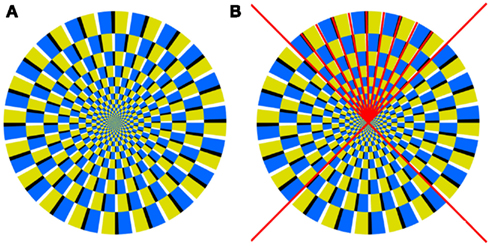
The Ehrenstein illusion is a captivating visual phenomenon that plays tricks on the mind, challenging our perception of shapes and sizes. Named after the German psychologist Walter Ehrenstein, this optical illusion is characterised by the appearance of radiating lines that seem to extend beyond their actual boundaries.
When viewing the Ehrenstein illusion, observers often perceive the lines as longer or shorter than they really are, creating a sense of distortion and inconsistency. This intriguing effect showcases how our brain processes visual information and can be easily deceived by cleverly designed patterns.
One of the key features of the Ehrenstein illusion is its ability to induce a sense of movement or vibration in static images. The radiating lines appear to pulsate or shimmer, adding an extra layer of dynamism to the overall perception. This dynamic quality further enhances the illusion’s mesmerising impact on viewers.
Researchers and artists alike have studied and utilised the Ehrenstein illusion to explore concepts related to visual perception, cognitive processing, and artistic expression. By manipulating line lengths, angles, and spacing, creators can evoke different interpretations and emotional responses from audiences.
Whether used for scientific research or artistic experimentation, the Ehrenstein illusion continues to intrigue and inspire individuals across various disciplines. Its ability to challenge our understanding of visual reality highlights the complex interplay between our eyes, brains, and environment.
In conclusion, the Ehrenstein illusion stands as a testament to the fascinating nature of human perception and the boundless creativity that arises from exploring visual phenomena. As we continue to unravel the mysteries of optical illusions, we gain a deeper appreciation for the intricate workings of our minds and senses.
Exploring the Ehrenstein Illusion: A Fascinating Study of Perception and Art
- Captivating visual phenomenon
- Challenges perception of shapes and sizes
- Named after the German psychologist Walter Ehrenstein
- Creates illusion of radiating lines extending beyond boundaries
- Induces sense of movement or vibration in static images
- Dynamic quality adds extra dimension to perception
- Utilised for scientific research and artistic expression
- Manipulable to evoke different interpretations and emotions
- Showcases complex interplay between eyes, brain, and environment
Potential Drawbacks of the Ehrenstein Illusion: Visual Discomfort and Cognitive Challenges
- May cause visual discomfort or strain for some individuals.
- Can be disorienting or confusing, especially when viewed for extended periods.
- May lead to misinterpretation of spatial relationships in the surrounding environment.
- Could potentially trigger dizziness or vertigo in susceptible individuals.
- Might distract from tasks requiring precise visual judgement or accuracy.
- Can be challenging to explain or replicate accurately due to its subjective nature.
Captivating visual phenomenon
The Ehrenstein illusion is a captivating visual phenomenon that mesmerises viewers with its ability to distort shapes and sizes, challenging our perception in a fascinating way. This optical illusion draws observers in with its dynamic radiating lines that seem to extend beyond their actual boundaries, creating a sense of movement and vibrancy within static images. The captivating nature of the Ehrenstein illusion lies in its power to captivate and intrigue individuals, inviting them to explore the complexities of visual perception and the remarkable ways in which our brains interpret the world around us.
Challenges perception of shapes and sizes
The Ehrenstein illusion offers a compelling pro by challenging our perception of shapes and sizes. By distorting the appearance of radiating lines, this optical phenomenon prompts viewers to question their understanding of spatial relationships and dimensions. Through its clever manipulation of visual cues, the Ehrenstein illusion encourages observers to think critically about how they interpret the world around them, fostering a deeper appreciation for the complexities of human perception.
Named after the German psychologist Walter Ehrenstein
The Ehrenstein illusion holds a unique distinction as it is named after the renowned German psychologist Walter Ehrenstein. This association adds a layer of credibility and historical significance to the phenomenon, highlighting the contribution of Ehrenstein in understanding visual perception and cognitive processes. By acknowledging its origins in the work of a respected psychologist, the Ehrenstein illusion gains recognition as a well-studied and scientifically validated optical phenomenon, enriching its appeal to researchers, artists, and enthusiasts seeking to delve deeper into the complexities of human vision.
Creates illusion of radiating lines extending beyond boundaries
The Ehrenstein illusion’s remarkable ability to create the perception of radiating lines extending beyond their actual boundaries showcases the intricate nature of visual deception. This pro of the illusion demonstrates how our minds can be easily tricked into perceiving spatial relationships that defy reality. By manipulating the arrangement of lines and angles, the Ehrenstein illusion offers a captivating visual experience that challenges our understanding of depth and dimension. This fascinating aspect of the illusion highlights the power of optical tricks to evoke a sense of depth and movement in static images, inviting viewers to explore the limits of their visual perception.
Induces sense of movement or vibration in static images
The Ehrenstein illusion’s remarkable ability to induce a sense of movement or vibration in static images adds a dynamic and captivating element to visual perception. By creating the illusion of pulsating or shimmering radiating lines, this phenomenon tricks the brain into perceiving motion where none exists, sparking intrigue and fascination among observers. This unique feature not only showcases the intricate complexities of human vision but also demonstrates how our minds can be easily influenced by cleverly designed patterns, enriching our understanding of the fascinating interplay between perception and reality.
Dynamic quality adds extra dimension to perception
The dynamic quality of the Ehrenstein illusion introduces an intriguing dimension to visual perception, enriching the viewing experience with a sense of movement and vibrancy. As the radiating lines appear to pulsate or shimmer, they create a dynamic interplay that captivates observers and enhances the overall illusion. This added element of dynamism not only engages the viewer’s attention but also challenges their perception, prompting them to reconsider the boundaries between static images and perceived motion. The dynamic quality of the Ehrenstein illusion exemplifies how subtle visual cues can profoundly impact our interpretation of reality, offering a unique perspective on the complexities of human vision and cognition.
Utilised for scientific research and artistic expression
The Ehrenstein illusion’s versatility in being utilised for both scientific research and artistic expression showcases its profound impact on diverse fields. In scientific research, this optical phenomenon serves as a valuable tool for studying visual perception and cognitive processing, offering insights into how our brains interpret and distort visual information. On the artistic front, the Ehrenstein illusion provides a creative playground for designers and artists to explore innovative ways of manipulating shapes, lines, and colours to evoke unique emotional responses in viewers. Its dual role as a scientific instrument and an artistic medium underscores the rich potential of the Ehrenstein illusion to inspire curiosity, creativity, and deeper understanding across different disciplines.
Manipulable to evoke different interpretations and emotions
The Ehrenstein illusion offers a unique advantage in its manipulability to evoke diverse interpretations and emotions. By adjusting line lengths, angles, and spacing within the illusion, creators can deliberately influence how viewers perceive and feel about the visual phenomenon. This flexibility allows for a range of artistic expressions and scientific investigations, enabling individuals to explore the intricate nuances of human perception and cognitive processing. The ability to evoke different emotions through subtle changes in design underscores the versatility and depth of the Ehrenstein illusion as a powerful tool for engaging with audiences on both intellectual and emotional levels.
Showcases complex interplay between eyes, brain, and environment
The Ehrenstein illusion offers a compelling demonstration of the intricate relationship between our eyes, brain, and surrounding environment. By showcasing how visual stimuli can be perceived and interpreted in ways that defy traditional expectations, this optical phenomenon highlights the complex interplay between sensory input, cognitive processing, and external context. Through the lens of the Ehrenstein illusion, we gain valuable insights into the sophisticated mechanisms that govern our perception of reality, underscoring the dynamic and multifaceted nature of human visual experience.
May cause visual discomfort or strain for some individuals.
The Ehrenstein illusion, while captivating and intriguing for many, may pose a con in the form of potential visual discomfort or strain for some individuals. The intricate patterns and dynamic nature of the illusion could lead to eye fatigue or discomfort, especially for those sensitive to visual stimuli or prone to experiencing eyestrain. It is important to be mindful of individual differences in visual perception and to take breaks if necessary when engaging with illusions like Ehrenstein to prevent any adverse effects on one’s eyesight or overall well-being.
Can be disorienting or confusing, especially when viewed for extended periods.
The Ehrenstein illusion, while captivating and intriguing, can have a downside when viewed for extended periods. The continuous exposure to the illusion’s deceptive radiating lines may lead to disorientation or confusion in some individuals. As the mind grapples with the conflicting perceptions of line lengths and shapes, prolonged viewing of the Ehrenstein illusion can strain cognitive processes and disrupt visual equilibrium. It serves as a reminder of the delicate balance between fascination and potential discomfort that comes with exploring complex optical phenomena.
May lead to misinterpretation of spatial relationships in the surrounding environment.
The Ehrenstein illusion, with its ability to distort the perception of line lengths and shapes, may inadvertently lead to a misinterpretation of spatial relationships in the surrounding environment. Viewers exposed to this optical phenomenon might struggle to accurately gauge distances or sizes of objects, potentially impacting their spatial awareness and depth perception. This misalignment between visual cues and actual physical dimensions could result in confusion or errors in navigating and interacting with the external world, highlighting the caution needed when engaging with illusions that can influence our perception of space.
Could potentially trigger dizziness or vertigo in susceptible individuals.
The Ehrenstein illusion, while captivating and intriguing, carries a potential con that must be considered. For susceptible individuals, viewing this optical phenomenon could trigger feelings of dizziness or vertigo. The distortion and movement present in the illusion may disrupt the visual equilibrium of certain viewers, leading to discomfort or disorientation. It is important to be mindful of these possible effects and approach the Ehrenstein illusion with caution, especially for those who are prone to experiencing sensory disturbances.
Might distract from tasks requiring precise visual judgement or accuracy.
The Ehrenstein illusion, with its captivating and deceptive visual effects, may present a con in scenarios where precise visual judgement or accuracy is crucial. The distortion and ambiguity created by this illusion could potentially distract individuals from tasks that demand accurate perception of shapes, sizes, or distances. In settings where precision is paramount, such as medical diagnostics or engineering measurements, the misleading nature of the Ehrenstein illusion could inadvertently lead to errors or misinterpretations. It is essential for individuals to be aware of the potential distractions posed by this illusion and to exercise caution when engaging in activities that require meticulous visual assessment.
Can be challenging to explain or replicate accurately due to its subjective nature.
The Ehrenstein illusion poses a significant challenge when it comes to explaining or replicating it accurately, primarily due to its inherently subjective nature. As perception varies from person to person, individuals may interpret the illusion differently, making it complex to pinpoint a definitive explanation or recreate the exact visual effect consistently. The subjective experience of the Ehrenstein illusion underscores the intricate relationship between perception and cognition, highlighting the nuanced ways in which our minds process visual stimuli.