

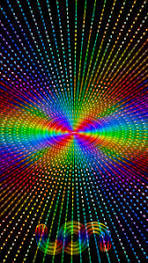
Unveiling the Enchantment: Exploring Illusion Paintings
The Fascinating World of Illusion Paintings
Illusion paintings, also known as trompe l’oeil (French for “deceive the eye”), are a captivating art form that plays tricks on our perception. Artists skilled in creating illusion paintings use techniques to make two-dimensional artworks appear three-dimensional, fooling the viewer into believing they are seeing real objects or scenes.
The History of Illusion Paintings
Illusion paintings have a long history, dating back to ancient times when artists used perspective and shading techniques to create depth and realism in their works. During the Renaissance period, artists like Leonardo da Vinci and Michelangelo mastered the art of creating lifelike illusions on canvas and walls.
Techniques Used in Illusion Paintings
Illusion painters employ various techniques to achieve realistic effects in their artworks. These may include precise perspective drawing, meticulous attention to detail, clever use of light and shadow, and strategic placement of objects within the composition. The result is an optical illusion that challenges our perception of reality.
Modern Interpretations of Illusion Paintings
In contemporary art, illusion paintings continue to captivate audiences with their creativity and ingenuity. Artists experiment with new materials and technologies to push the boundaries of traditional illusion techniques, creating mind-bending artworks that blur the line between reality and imagination.
Appreciating Illusion Paintings
Viewing illusion paintings is a unique experience that invites viewers to question what they see and engage with the artwork on a deeper level. By exploring the intricate details and hidden surprises within illusion paintings, viewers can appreciate the skill and creativity behind these mesmerising creations.
Conclusion
Illusion paintings offer a glimpse into the magical world of visual deception, where art transcends reality to create extraordinary illusions that challenge our perceptions. Whether created through traditional techniques or modern innovations, illusion paintings continue to inspire awe and wonder in all who behold them.
Mastering the Art of Illusion: 8 Tips to Enhance Your Appreciation of Illusion Paintings
- Study the artwork from different angles to fully appreciate the illusion.
- Pay attention to details such as shadows and perspective in the painting.
- Look for hidden elements or images within the illusion painting.
- Try to understand the artist’s technique in creating the optical illusion.
- Consider the use of colours and shapes in enhancing the illusion effect.
- Take your time to explore and immerse yourself in the artwork.
- Discuss and share your interpretations of the illusion painting with others.
- Research about famous artists known for creating illusion paintings.
Study the artwork from different angles to fully appreciate the illusion.
To fully appreciate the illusion created in an artwork, it is essential to study the piece from different angles. By examining the painting from various perspectives, viewers can uncover hidden details and nuances that contribute to the overall illusion. This approach allows for a deeper understanding of the artist’s techniques and intentions, enhancing the viewing experience and revealing the captivating magic of illusion paintings in all its glory.
Pay attention to details such as shadows and perspective in the painting.
When exploring illusion paintings, it is crucial to pay close attention to details such as shadows and perspective within the artwork. These elements play a significant role in creating the illusion of depth and realism, enhancing the overall visual impact of the painting. By observing how shadows are cast and understanding the use of perspective, viewers can appreciate the skill and craftsmanship involved in bringing the two-dimensional image to life in a way that tricks the eye and challenges perceptions.
Look for hidden elements or images within the illusion painting.
When exploring illusion paintings, it is essential to pay close attention to detail and look for hidden elements or images within the artwork. Often, illusion painters incorporate subtle surprises or hidden symbols that add an extra layer of intrigue to the composition. By taking the time to scrutinise the painting carefully, viewers can uncover these hidden gems and appreciate the artist’s creativity in crafting a multi-dimensional visual experience.
Try to understand the artist’s technique in creating the optical illusion.
When exploring illusion paintings, it is beneficial to delve into the artist’s technique behind creating the optical illusion. Understanding the intricate methods and artistic choices employed by the painter can enhance one’s appreciation of the artwork. By analysing how perspective, shading, and other visual elements are manipulated to deceive the eye, viewers can gain insight into the creative process and skill involved in crafting these captivating illusions. Delving deeper into the artist’s technique adds a new dimension to the viewing experience, allowing for a more profound connection with the mesmerising world of illusion paintings.
Consider the use of colours and shapes in enhancing the illusion effect.
When creating illusion paintings, artists should carefully consider the use of colours and shapes to enhance the illusion effect. By strategically selecting hues that create depth and dimension, as well as incorporating geometric forms that play with perspective, artists can manipulate the viewer’s perception and create visually stunning illusions. The clever combination of colours and shapes can trick the eye into perceiving a two-dimensional artwork as a three-dimensional space, adding an extra layer of intrigue and magic to the painting.
Take your time to explore and immerse yourself in the artwork.
When appreciating illusion paintings, it is essential to take your time to explore and immerse yourself fully in the artwork. By allowing yourself the opportunity to carefully observe the intricate details, hidden elements, and clever techniques used by the artist, you can truly appreciate the depth and complexity of the illusion. Taking your time not only enhances your understanding of the artwork but also allows you to experience the magic of visual deception in a more profound and meaningful way.
Discuss and share your interpretations of the illusion painting with others.
When exploring illusion paintings, it is enriching to discuss and share your interpretations of the artwork with others. By engaging in conversations about the illusions depicted in the painting, you can gain new perspectives and insights that may deepen your appreciation of the artist’s skill and intention. Sharing interpretations also allows for a communal experience of unraveling the mysteries hidden within the artwork, fostering a sense of connection and wonder among art enthusiasts.
Research about famous artists known for creating illusion paintings.
Researching famous artists known for creating illusion paintings is a valuable tip for anyone interested in delving deeper into the world of optical art. By studying the works of renowned illusion painters such as Salvador Dali, M.C. Escher, and Bridget Riley, one can gain insight into the diverse techniques and styles employed in creating captivating visual illusions. Exploring the contributions of these iconic artists not only enhances our appreciation for the art form but also provides inspiration for aspiring illusionists to push the boundaries of creativity and perception in their own work.