

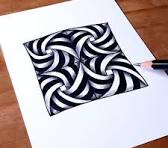
Exploring the Enchanting World of 3D Illusion Art
The Fascinating World of 3D Illusion Art
3D illusion art, also known as anamorphic art, is a mesmerising form of visual expression that plays tricks on the mind and challenges our perception of reality. Artists who specialise in this unique medium create stunning optical illusions that seem to leap off the page or canvas when viewed from a specific angle.
One of the most captivating aspects of 3D illusion art is its ability to deceive the viewer’s senses, creating a sense of depth and dimension where none actually exists. By manipulating perspective and using clever techniques such as shading and colour gradients, artists can transform flat surfaces into immersive, three-dimensional worlds that defy logic.
Historically, anamorphic art has been used to create hidden messages or secret images that are only revealed when viewed from a certain vantage point. This element of surprise and discovery adds an extra layer of intrigue to the viewing experience, inviting audiences to engage with the artwork on a deeper level.
With advancements in technology, artists are now able to explore new possibilities in the realm of 3D illusion art. Digital tools and software have opened up exciting avenues for experimentation, allowing creators to push the boundaries of what is possible and create even more mind-bending illusions.
Whether it’s street murals that appear to defy gravity or intricate drawings that seem to pop off the page, 3D illusion art continues to captivate audiences around the world with its blend of creativity and optical trickery. As we continue to push the limits of what is achievable in this medium, one thing remains certain – the world of 3D illusion art will always be full of surprises and wonder.
Mastering 3D Illusion Art: Seven Essential Tips for Creating Stunning Visual Depth
- Use contrasting colours to create depth in your 3D illusion art.
- Experiment with different perspectives and angles to achieve realistic effects.
- Incorporate shadows and highlights to enhance the three-dimensional look of your artwork.
- Pay attention to details, as they can make a big difference in the overall illusion effect.
- Consider using optical illusions such as gradients and patterns to trick the viewer’s eye.
- Practice regularly to improve your skills in creating 3D illusion art.
- Seek inspiration from other artists and various sources to keep your creativity flowing.
Use contrasting colours to create depth in your 3D illusion art.
When creating 3D illusion art, employing contrasting colours can be a powerful technique to enhance the sense of depth and dimension in your work. By strategically using colours that are opposite on the colour wheel, you can create visual tension that tricks the eye into perceiving greater depth within the artwork. The juxtaposition of light and dark hues can help emphasise different elements of the illusion, making certain parts appear closer while others recede into the background. Experimenting with contrasting colours adds an extra layer of complexity and intrigue to your 3D illusions, elevating them to new levels of visual impact and realism.
Experiment with different perspectives and angles to achieve realistic effects.
When delving into the realm of 3D illusion art, it is crucial to experiment with various perspectives and angles to achieve truly realistic effects. By exploring different vantage points and viewpoints, artists can manipulate depth and dimension to create illusions that appear lifelike and immersive. Playing with angles allows for the creation of dynamic visuals that challenge the viewer’s perception and bring a sense of depth to the artwork. Embracing experimentation with perspectives is key to unlocking the full potential of 3D illusion art and crafting captivating pieces that push the boundaries of imagination.
Incorporate shadows and highlights to enhance the three-dimensional look of your artwork.
To enhance the three-dimensional look of your 3D illusion art, incorporating shadows and highlights is essential. By strategically using shading and light effects, you can create depth and realism in your artwork, making objects appear to pop off the page or canvas. Shadows add dimension by creating the illusion of form and volume, while highlights bring elements forward and accentuate their contours. Mastering the interplay of shadows and highlights is key to creating compelling illusions that captivate viewers and immerse them in a world of visual enchantment.
Pay attention to details, as they can make a big difference in the overall illusion effect.
When creating 3D illusion art, it is crucial to pay meticulous attention to details, as they have the power to significantly enhance the overall illusion effect. Every subtle shading, precise angle, and careful placement of elements can contribute to the realism and depth of the artwork, creating a more immersive and captivating experience for the viewer. By focusing on even the smallest details, artists can elevate their creations to new levels of visual impact and intrigue, ensuring that every aspect of the illusion is finely crafted to perfection.
Consider using optical illusions such as gradients and patterns to trick the viewer’s eye.
When creating 3D illusion art, it is essential to consider using optical illusions like gradients and patterns to deceive the viewer’s eye. By strategically incorporating these elements into the artwork, artists can manipulate perception and create the illusion of depth and movement. Gradients can be used to simulate shadows and highlights, adding a sense of realism to the piece, while patterns can create dynamic visual effects that enhance the overall impact of the illusion. Careful consideration of these optical tricks can elevate the art form and captivate audiences with its immersive and captivating nature.
Practice regularly to improve your skills in creating 3D illusion art.
To enhance your proficiency in crafting 3D illusion art, it is crucial to engage in regular practice sessions. Consistent practice not only hones your skills but also allows you to experiment with different techniques and refine your artistic vision. By dedicating time to honing your craft, you can explore new creative avenues, improve your understanding of perspective and depth, and ultimately elevate the quality of your 3D illusion artworks.
Seek inspiration from other artists and various sources to keep your creativity flowing.
To enhance your skills in creating 3D illusion art, it is essential to seek inspiration from a diverse range of artists and sources. By exploring the works of others and exposing yourself to different styles and techniques, you can keep your creativity flowing and discover new ways to push the boundaries of your own artistic expression. Drawing inspiration from various sources not only broadens your perspective but also fuels your imagination, helping you to innovate and evolve in the dynamic world of 3D illusion art.